
Somewhere with no cars in it
Road Badge › In the Empty Lot › Somewhere with no cars in it
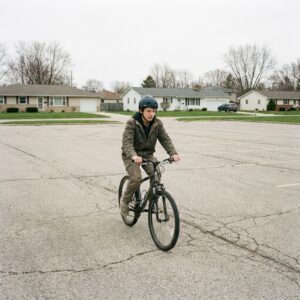
Somewhere with no cars in it
Every skill here starts with no cars around.
1The far end of the lot
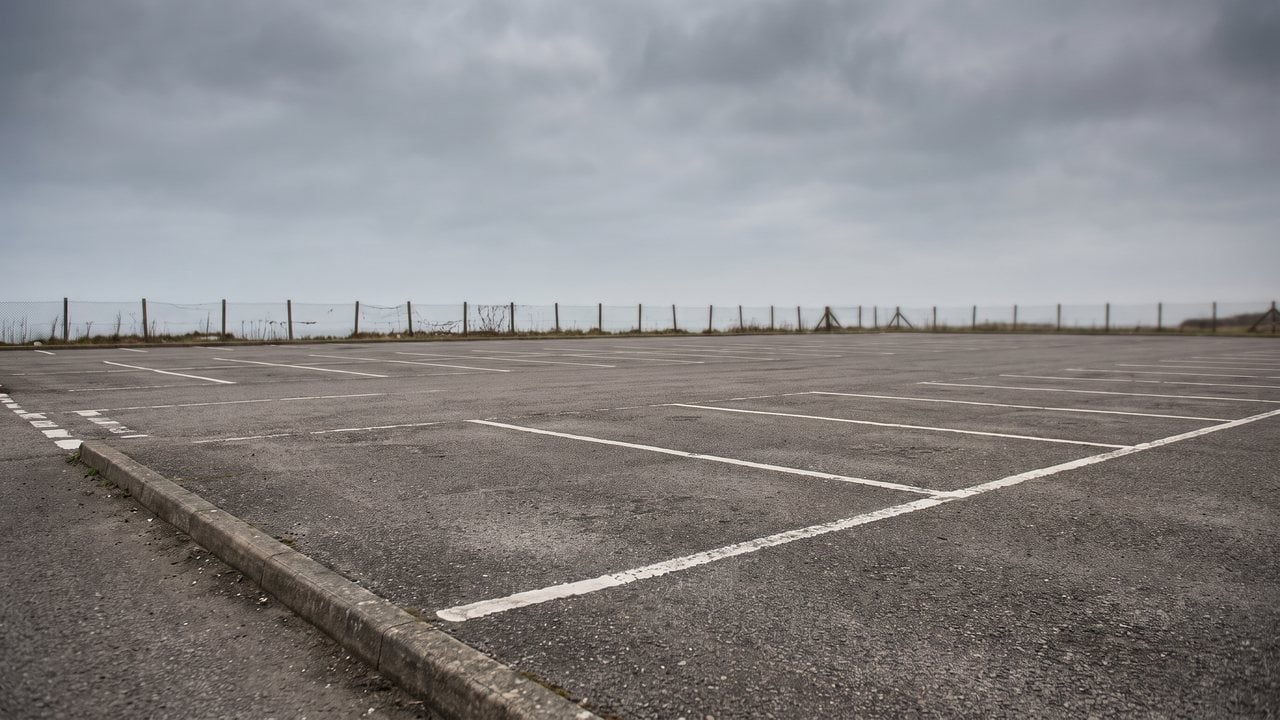
Nothing about that picture is impressive, and that is the point. Every riding program that exists spends hours somewhere like it before anybody goes near a road.
2Three places, always in the same order
Strip away the country and the vehicle and every serious program obeys one venue rule: classroom, then protected area, then real road. Never skipped, never reordered, never collapsed into two.
Motorcycle training: online course, then the range, then the street.
The UK cycle standard: traffic-free, then quiet roads, then complex ones.
Canada’s program: off-road, then residential, then everything.
You have just finished the classroom half. This section is the middle one, and there is no version of this where it gets skipped. Across every curriculum surveyed for this course, the protected space was not optional in a single one of them.
3How long the real programs spend in a parking lot
Adult motorcycle basic training gives the range eight separate exercises and around four hours before anybody sees a street. The UK cycle standard gives its traffic-free level a two-hour minimum, one instructor to twelve riders. Nobody treats this stage as a warm-up for the interesting part.
There is a rule hiding in those ratios. One instructor to twelve in the playground, one to six on quiet roads, one to three on complex ones. Supervision is not a fixed cost. It rises as the venue gets more dangerous, which tells you exactly how the venue you are standing in is being rated.
4What the space has to be able to hold
The drills in this section arrive with dimensions, and they are all small.
A corridor one to two feet wide and twenty to thirty feet long.
A call about twenty-five feet by twenty-five.
A line of markers twelve feet apart to weave through.
A stop box three feet by five.
Put them together and the whole badge fits inside something about the size of a tennis court, flat, with a surface you can draw on with chalk. A space that cannot hold the corridor cannot hold this section, and the corridor is the cheapest and most useful drill in the entire course.
5A supermarket lot at four on a Saturday.
Pick one.
Yes, and the thing you changed was the time, not the place. The test for a practice space is not how much room there is. It is whether anything in it is moving. The same asphalt is two completely different venues at eight in the morning and four in the afternoon.
Look at what is moving in each of those. A far corner is still inside a lot where cars reverse without looking, and a quiet street is a road — that is the third venue, and this section belongs in the second. Empty of parked cars is not the test. Nothing moving is the test.
6The four things that spoil a good lot
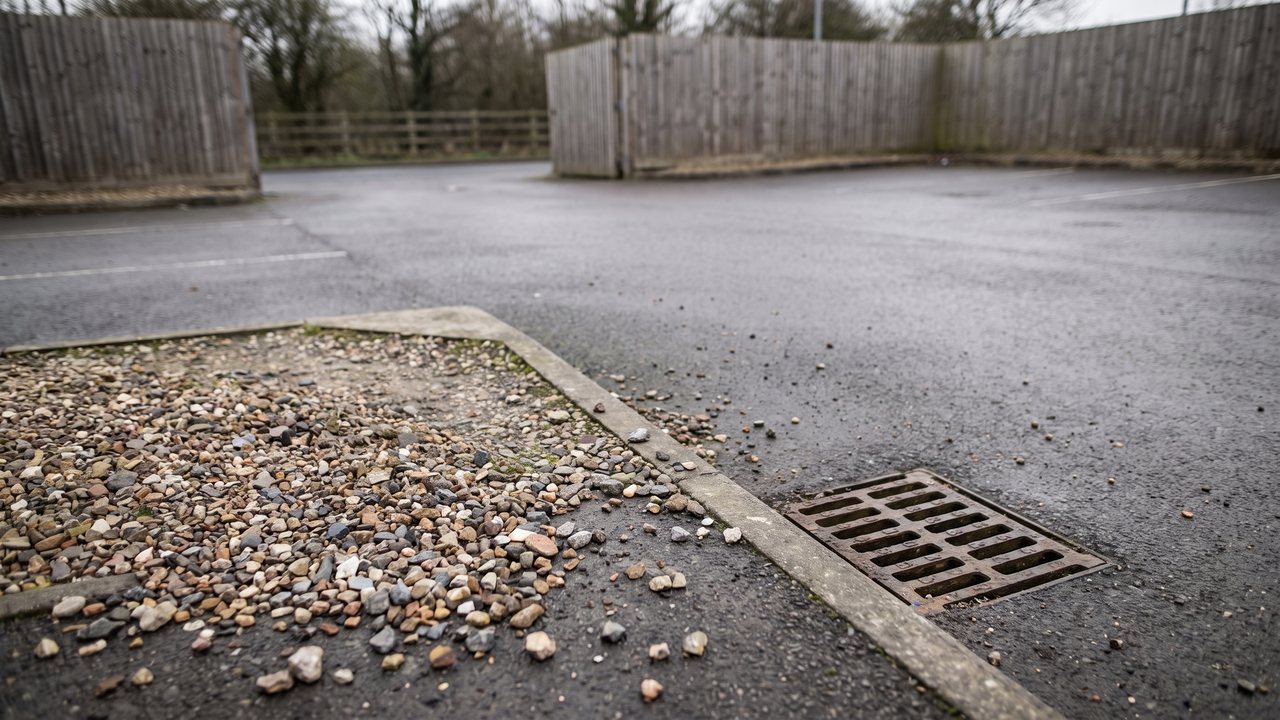
Loose stuff, drain slots, a way in a car can use, and a slope. Walk the space once before you ride it and you will find all four inside a minute.
7Which of these make a space usable for this section?
Pick every one that is right, then press Check.
Find all 4.
Four. Still, flat, long enough, and somebody watching.
Two of those are convenience and fun. Nearest is not usable, and a curb is not practice.
8The ask, which is most of the work
Say it out loud, in your normal voice
Can we use the far end for half an hour?
Whoever owns that asphalt is a person, and asking turns you from a problem into somebody they have met. The police-run teen program this course borrows from makes a parent turning up part of the course itself.
9Before you leave this page
Name your space, walk it, and get the yes.
Name the space you are actually going to use, then walk it before you ride it. Pace out thirty feet in a straight line and check it is flat and clean the whole way. Find every gate or entrance a car could come through. Then get the yes from whoever it belongs to, and pick the time of day it is empty.