
Quiz: Where You Can Ride
Road Badge › Where You Are Allowed › Quiz: Where You Can Ride
Road Badge› Where You Are Allowed
Quiz: Where You Can Ride
Ten questions on rules and where they change.
1What decides whether you may ride here?
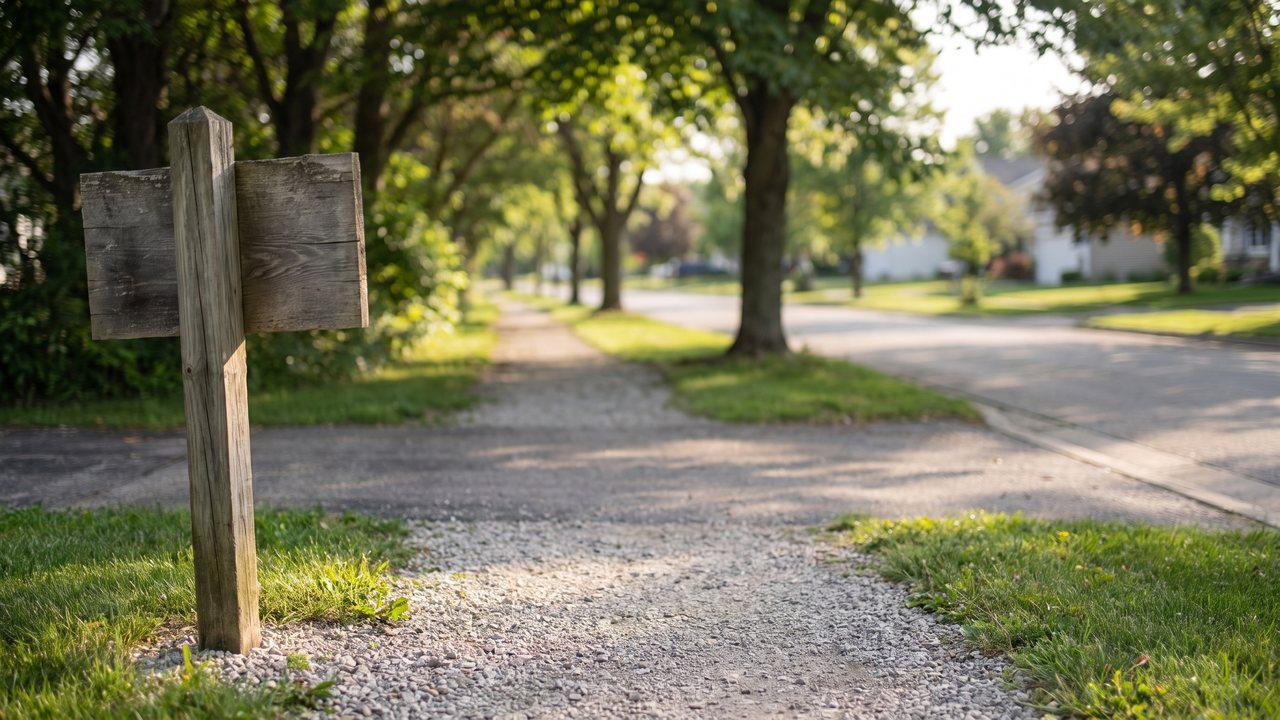
Tap every one that is right.
Four of these decide it.
Machine, surface, age, town. Four parts, every time.
Four parts: this machine, this surface, your age, this town.
2Who usually decides about sidewalks?
Tap the one that is right.
One answer. Sidewalks belong to whoever built them.
Sidewalks are usually the town. The roadway is usually the state.
The town usually decides sidewalks. That is why they differ.
3Which surface measures out worst?
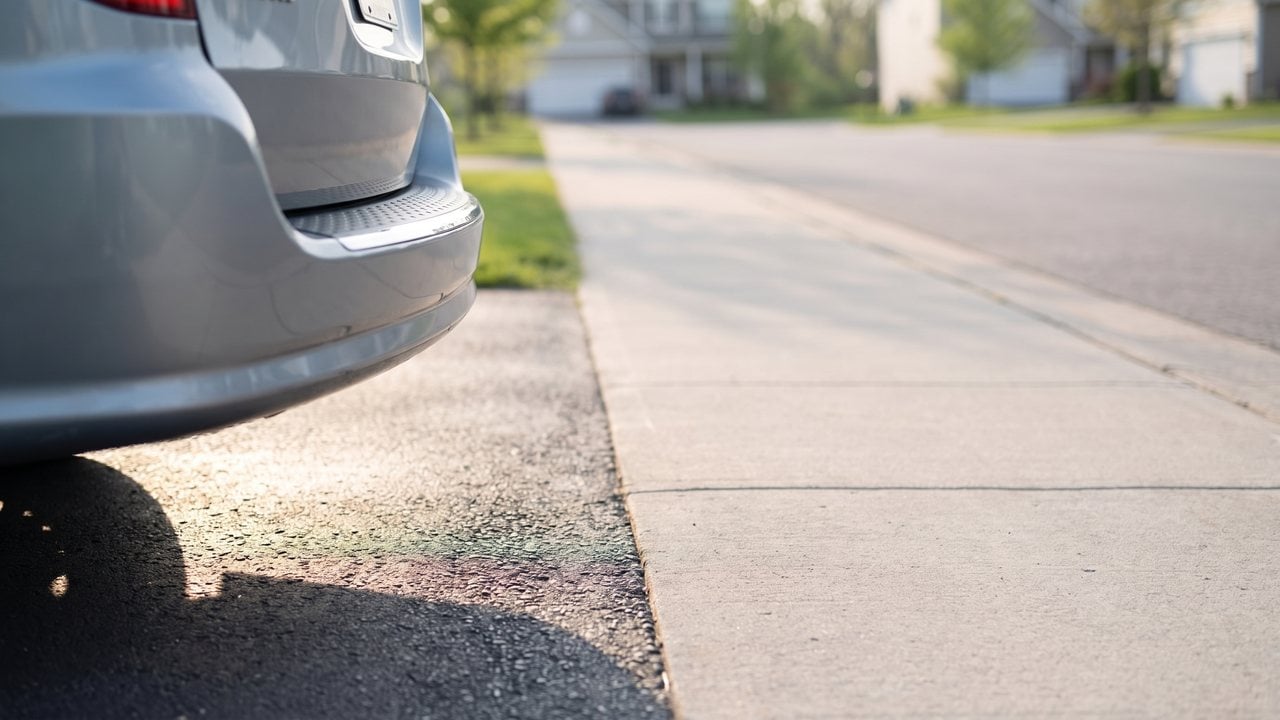
Remember:“The one that feels safest is not.”
Tap the one that is right.
One answer. The change happens at a line you cannot see on the ground.
The one that feels safest measures out worst, hardest at your age.
The sidewalk. Every study anybody has done says the same.
4Why is a sidewalk worse than it feels?
Tap every one that is right.
Find all 3. None of them is about the number of cars.
A driver leaving a driveway looks up the road, not along the walk.
They look for traffic on the road, at road speed, up the road.
5What can change at a town line?
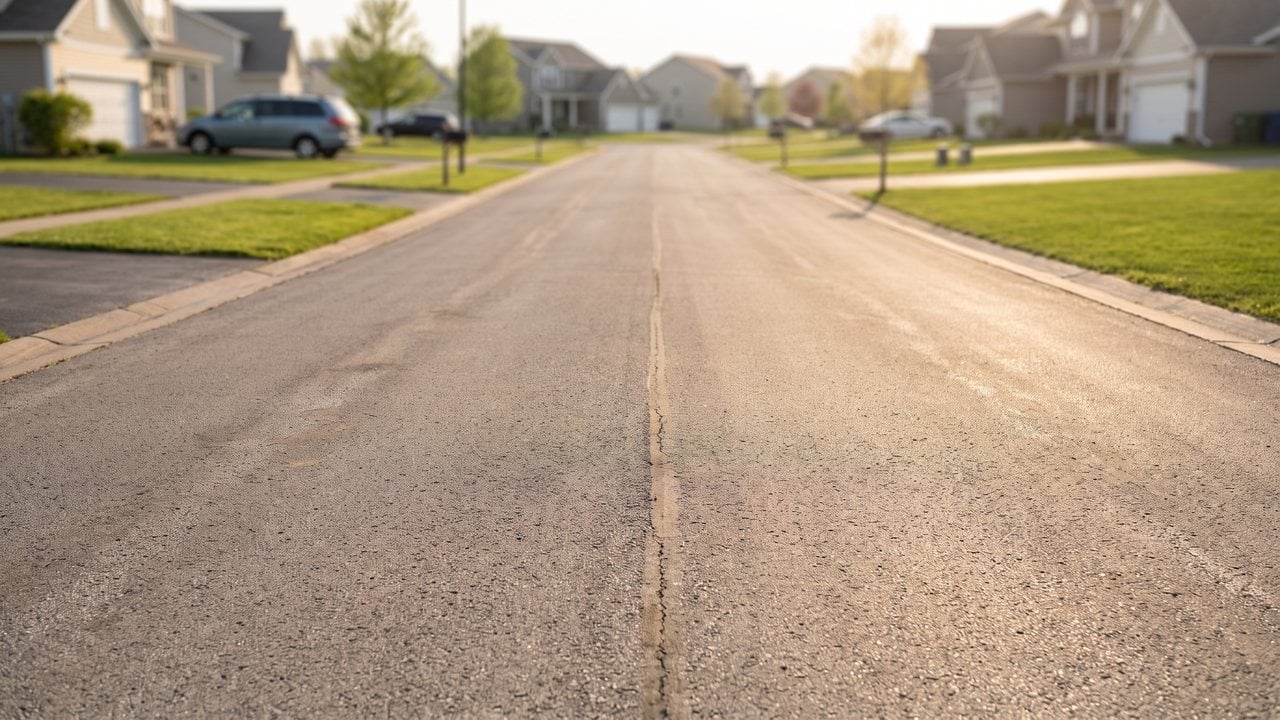
Tap every one that is right.
All four can change. Tick every one.
All four. Towns next door to each other really do differ.
All of them. Towns half an hour apart can have different rules.
6What do you do on a route with a line?
Remember:“Strictest rule on the route wins.”
Tap the one that is right.
One answer. Think about which end a car needs to see first.
Ride to the strictest rule you know of on the whole route.
Take the strictest rule on the route and use it the whole way.
7Which light matters most?
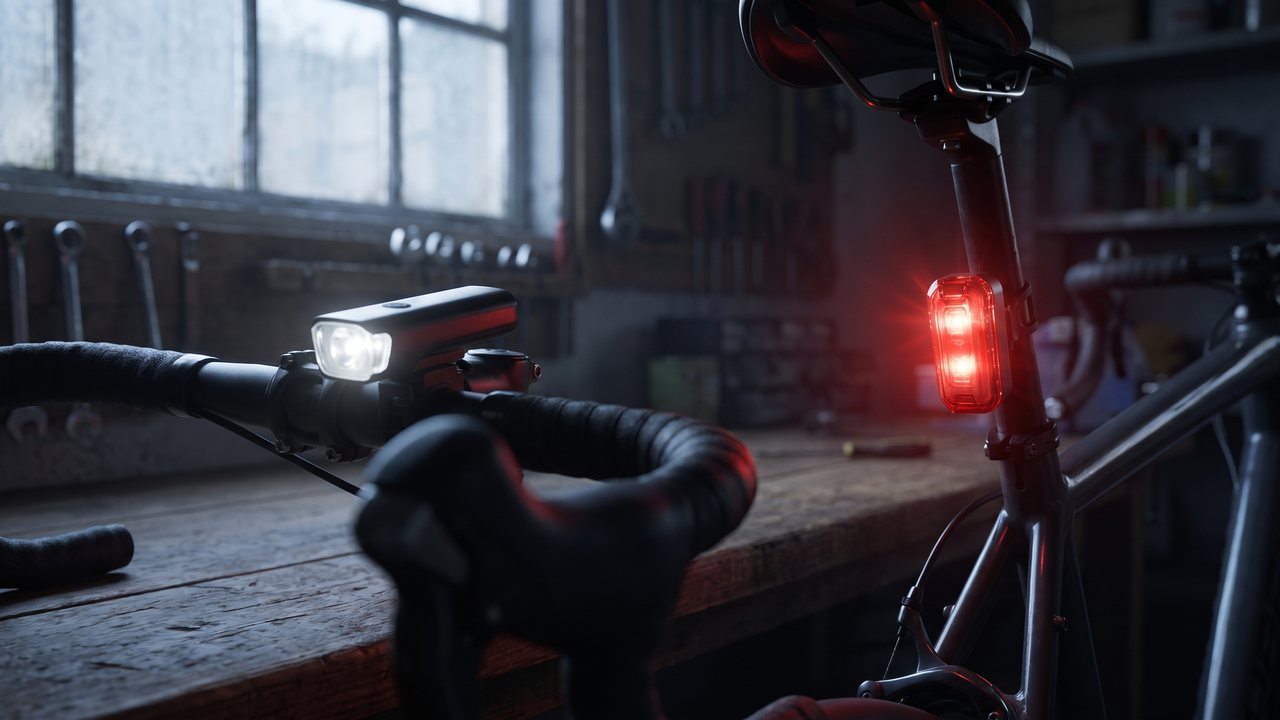
Remember:“Front lamp first. Always.”
Tap the one that is right.
One answer. Which end does a car pulling out need to see?
The front lamp does a job on its own. It is the hard one.
The front one. It is the half everybody gets backwards.
8Which of these are true about lights?
Tap every one that is right.
Find all 3. Every one is something you can look up tonight.
Front light, rear light, and on whenever you cannot see well.
A rear blinky on its own leaves the front of you dark.
9What makes an answer you can trust?

Tap every one that is right.
Find all 3. Each one is about where the answer came from.
Words, date, whose page. An answer with no date is not an answer.
Check the date, and check if it is the law or somebody telling you.
10Which sources can you really rely on?
Tap every one that is right.
Find both. Both of them are the law itself, not somebody describing it.
The code and the town page. Both of them carry a date.
The law itself, with a date. Not a shop page and not a rumor.