
Quiz: When It Goes Wrong
Road Badge › When It Goes Wrong › Quiz: When It Goes Wrong
Road Badge› When It Goes Wrong
Quiz: When It Goes Wrong
Ten questions on the emergency moves.
1Why is this the last part, not the first?

Remember:“Never rush a move you never did slow.”
Tap the one that is right.
One answer. Ask what has to already work before any of this can.
A move you have never made slowly is not one you can make fast.
Emergency skill sits on top of ordinary skill. That is the order.
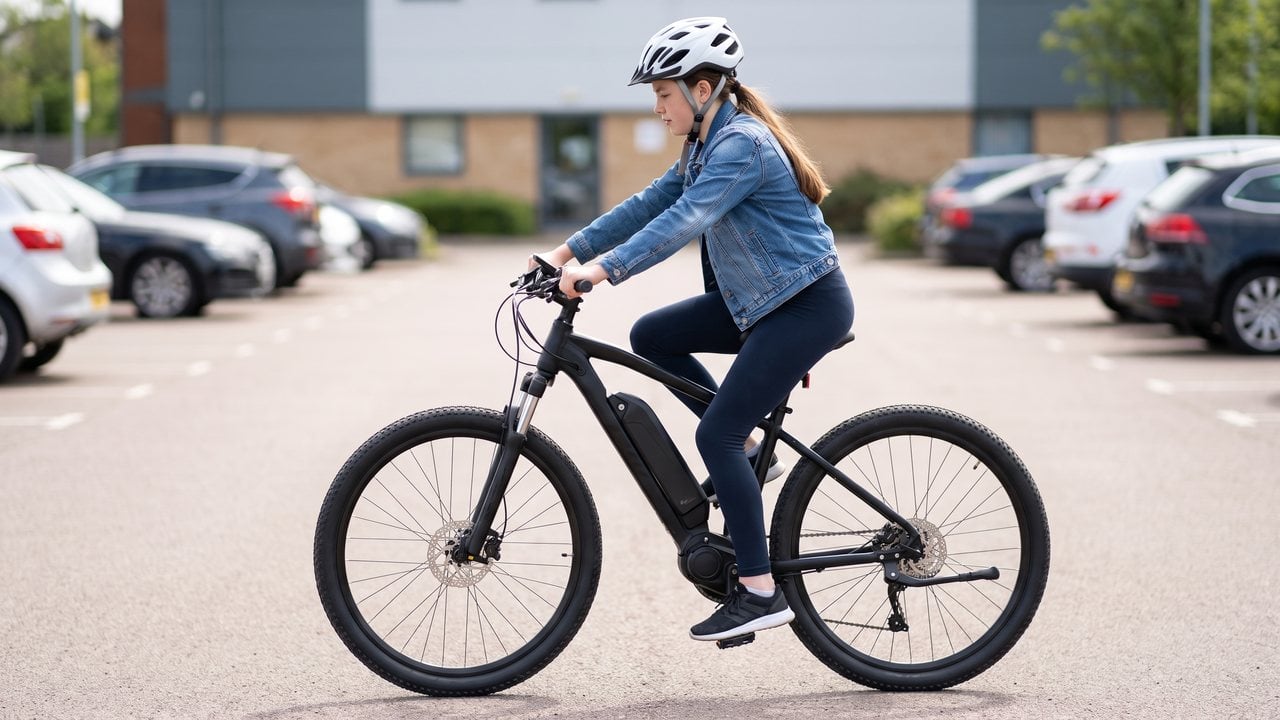
2Where are the pedals for a quick stop?
Tap the one that is right.
One answer. Ask what has to work before anything here can.
Level, three and nine. Two o'clock is the one for setting off.
Level at three and nine. That is the one people mix up.
3Which of these belong to the quick stop?
Tap every one that is right.
Four of these are in it.
Level pedals, weight back, both brakes squeezed, straight first.
Pedals level, weight back, both brakes squeezed, straighten first.
4What is the rule about brake and steer?
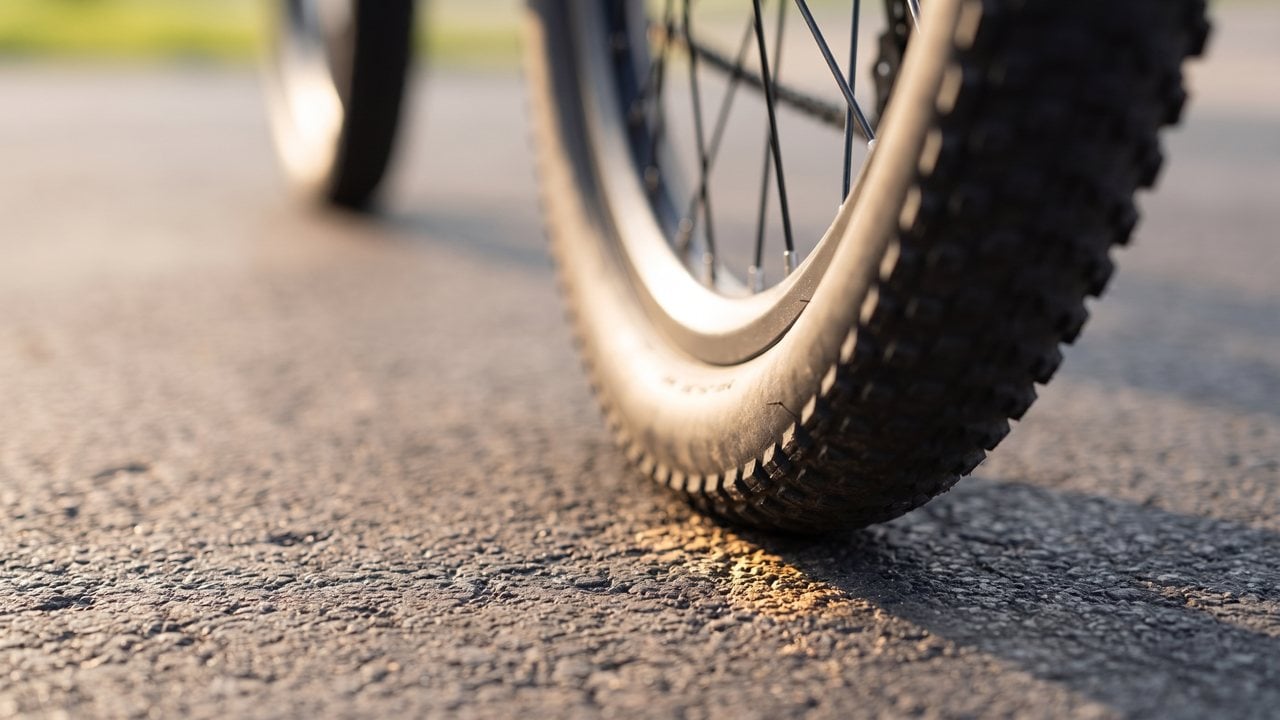
Remember:“Brake, or steer. Never both.”
Tap the one that is right.
One answer. Grip does one job at a time.
One tire, one budget. Brake or steer, never both at once.
You get one. Braking and steering share the same grip.
5How do you choose which one to do?
Tap the one that is right.
One answer. The distance decides it, not your preference.
If there is room to stop, stop. If there is not, the brakes come off.
Room to stop means stop. No room means go round, brakes off.
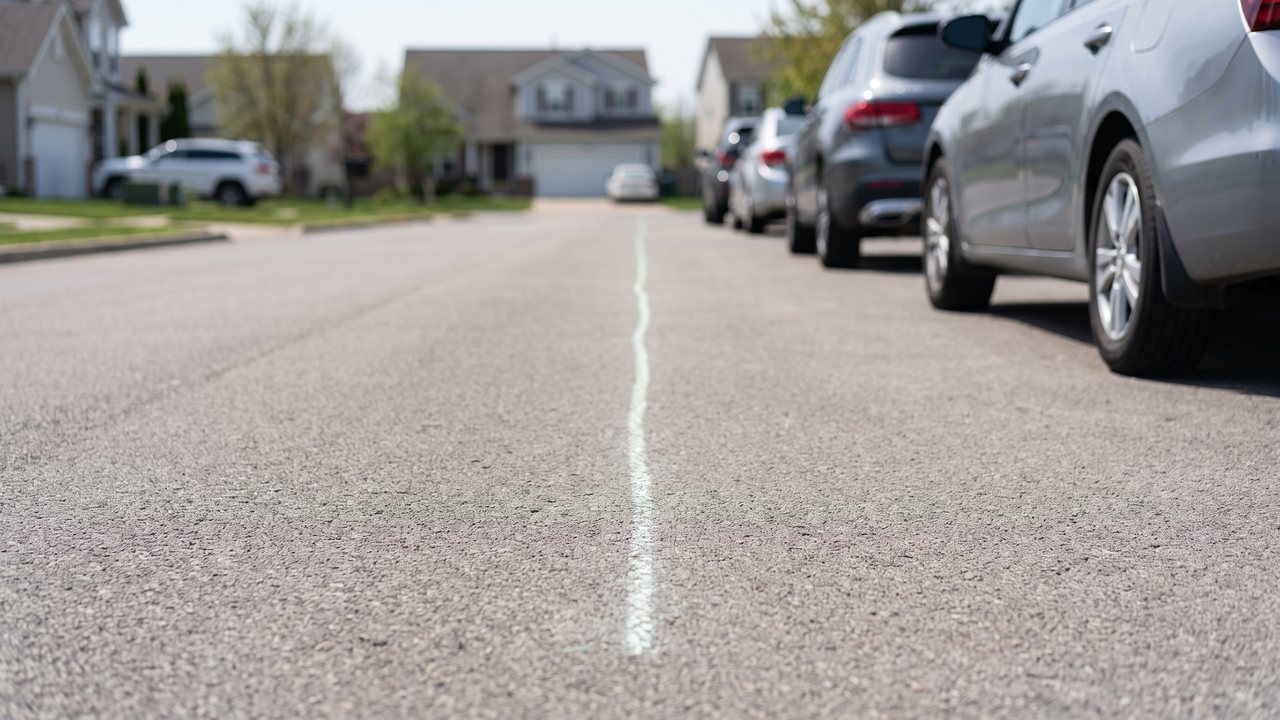
6Which of these are stopping problems?
Tap every one that is right.
Find both. Both of them you saw in time to have a choice.
If there is room left in it, it is a stopping problem. Stop.
Only the ones with room left in them are stopping problems.
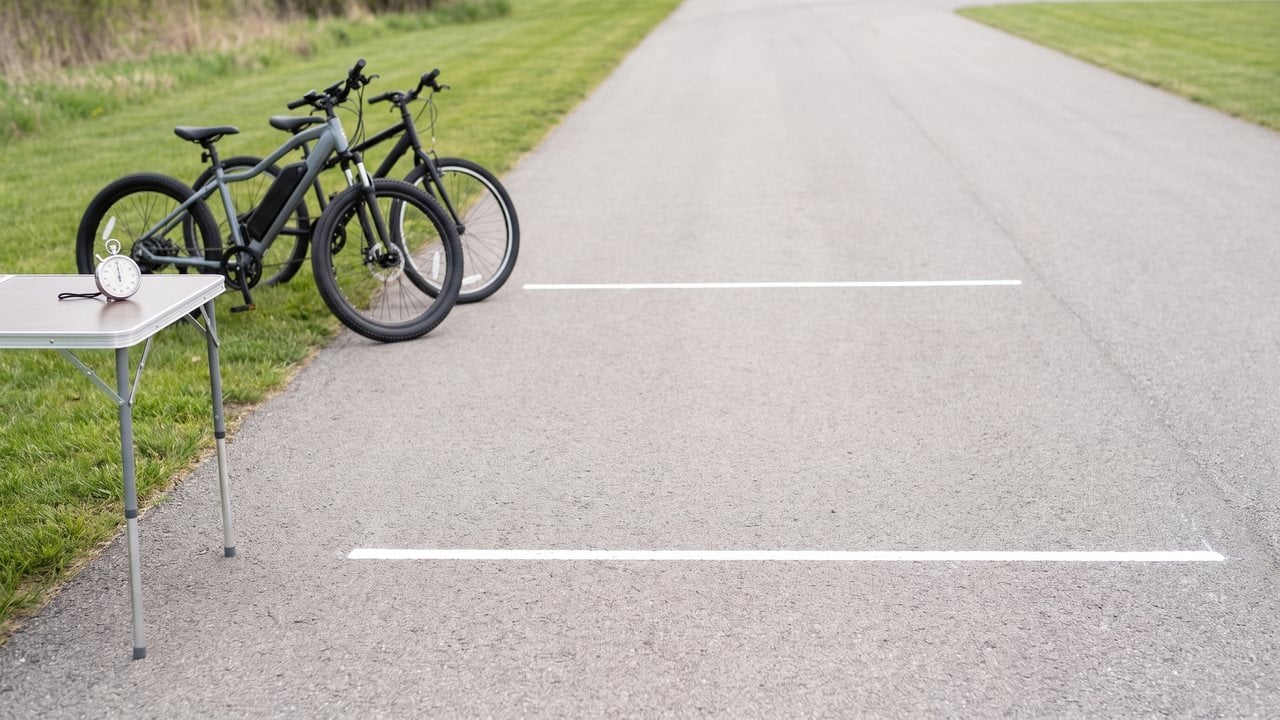
7What do you do about a dog?
Tap every one that is right.
One answer. Think about which wheel you are asking to slide.
Firm voice, stop, and keep the machine between you and the dog.
Do not outrun it. Firm voice, stop, bike between you and the dog.
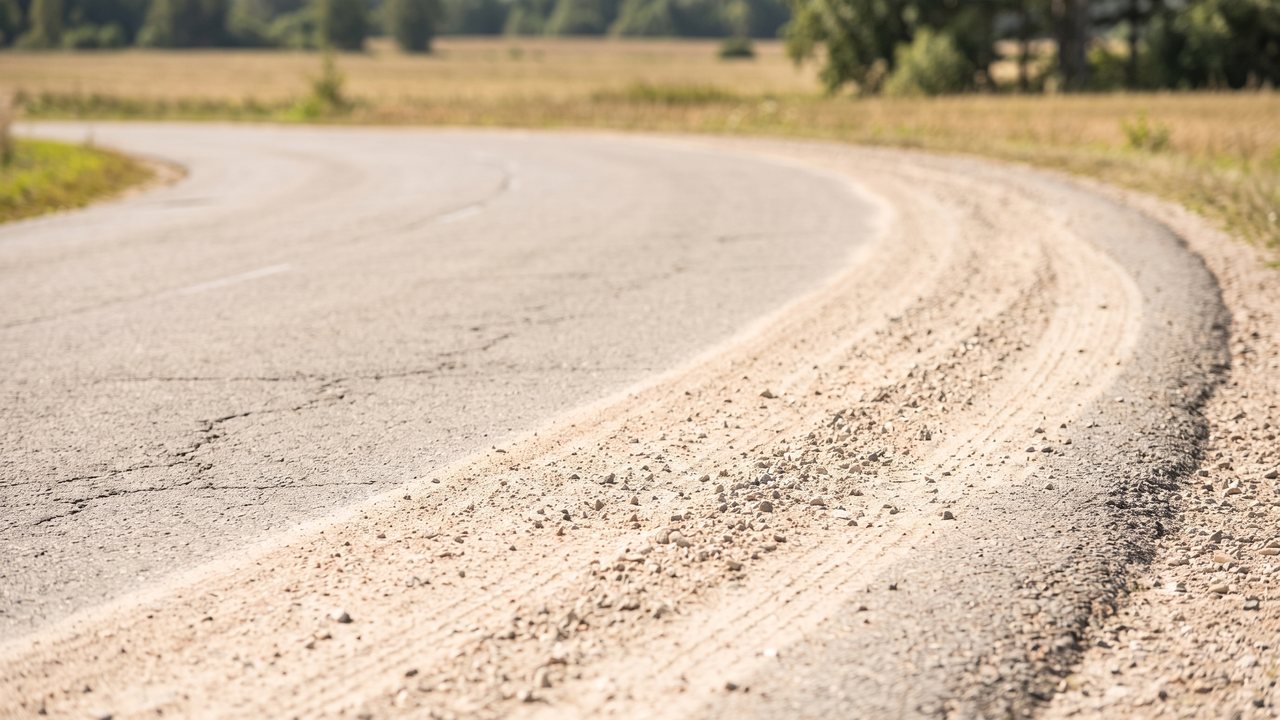
8How should you cross wet rails?
Tap the one that is right.
One answer. Cross the slot, do not ride along it.
Cross at ninety degrees. Never under forty-five.
At a right angle, and slowly. Wet rails are slippery.
9What are you doing on the slippery bit?
Tap every one that is right.
Find all 3. Each one buys you time before you need the brakes.
Upright, straight, steady, and nothing else happening.
Straight, upright, steady. No braking and no turning on it.
10Is walking across it a failure?
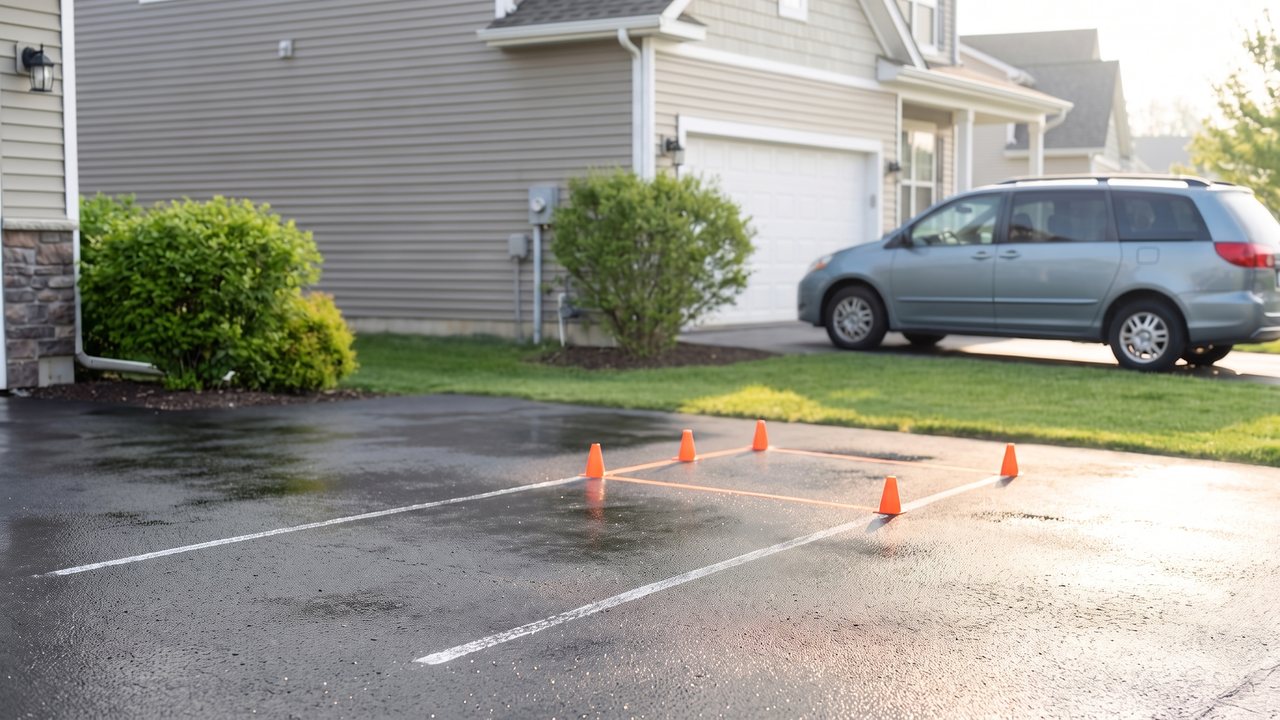
Remember:“Walking it across is an answer.”
Tap the one that is right.
One answer. Both answers count in this course.
Getting off and walking is an answer, not a failed one.
It is a finished answer. If the move looks risky, walk it.