
Quiz: Paths and People
Road Badge › Paths and People › Quiz: Paths and People
Quiz: Paths and People
Ten questions on sharing a path.
1Which of these are the shared path rules?
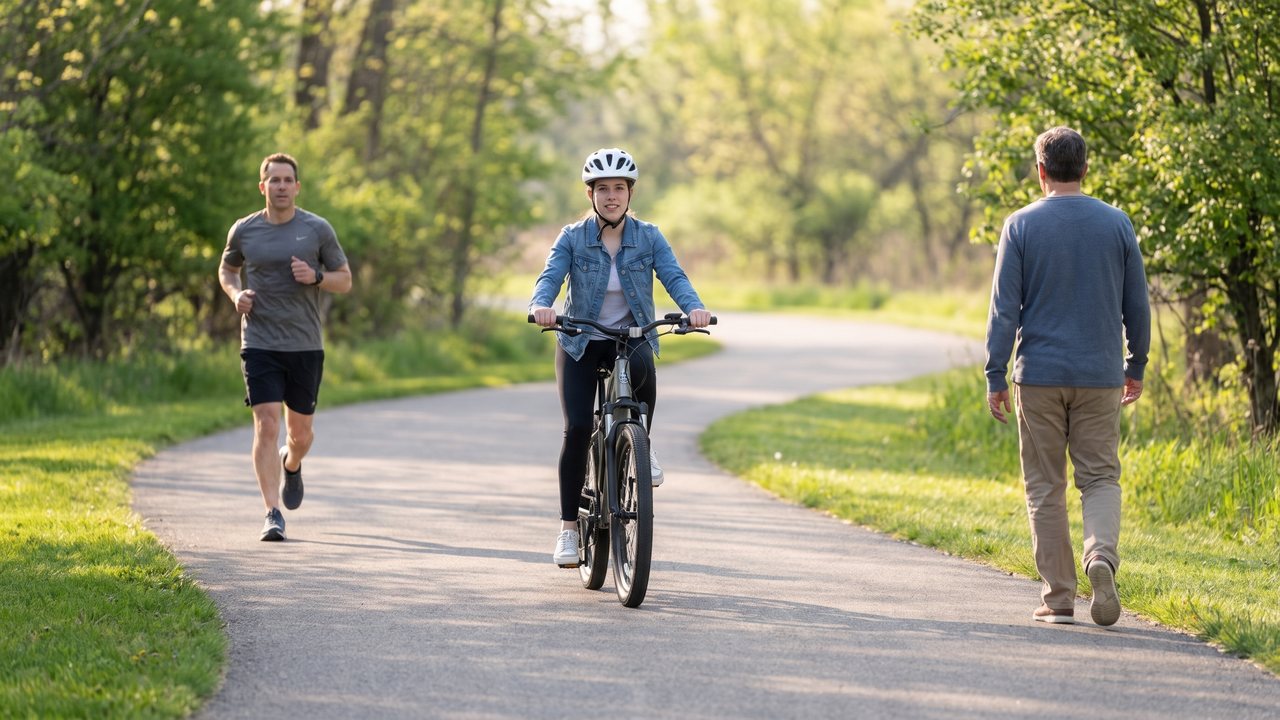
Tap every one that is right.
Four of these are right.
Keep right, pass left, call out, and faster gives way to slower.
Keep right. Pass on the left. Call out. Faster gives way.
2What is the step most riders skip?
Remember:“Call, then wait to be heard.”
Tap the one that is right.
One answer. It is the step that happens after you call and before you move.
A call you make is not information until somebody reacts to it.
Waiting for a reaction. Most riders call out and then just go.
3What counts as a reaction you can use?
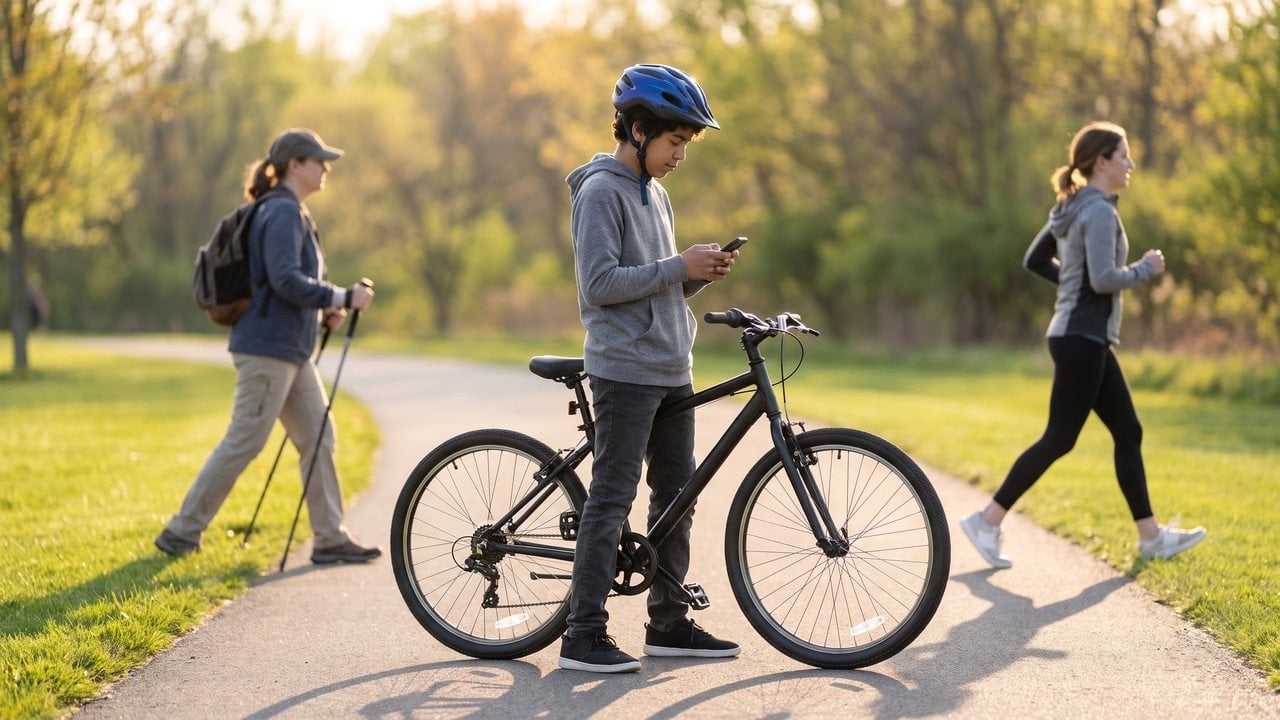
Tap every one that is right.
Find all 3. Every one is something the walker did, not something you did.
You need something to change. Volume is not a reaction.
A reaction is something they do, not something you said.
4What is the speed on the path sign?

Remember:“The sign is a ceiling, not a target.”
Tap the one that is right.
One answer. A limit is the most you may do, not the amount to do.
The sign is the most you may do. Conditions set the rest.
It is a ceiling. Today might be a lot slower than the sign.
5Which of these mean today is slower?
Tap every one that is right.
All four mean slower. Tick every one.
All four. The number on the sign was written for the good day.
All of them. One posted number has to cover every day there is.
6When may you pass on a blind bend?
Tap the one that is right.
One answer. Ask what you can see round the bend.
Never. It is written as a refusal, not as advice.
Never pass where you cannot see round the corner.
7Why leave a few feet on every pass?
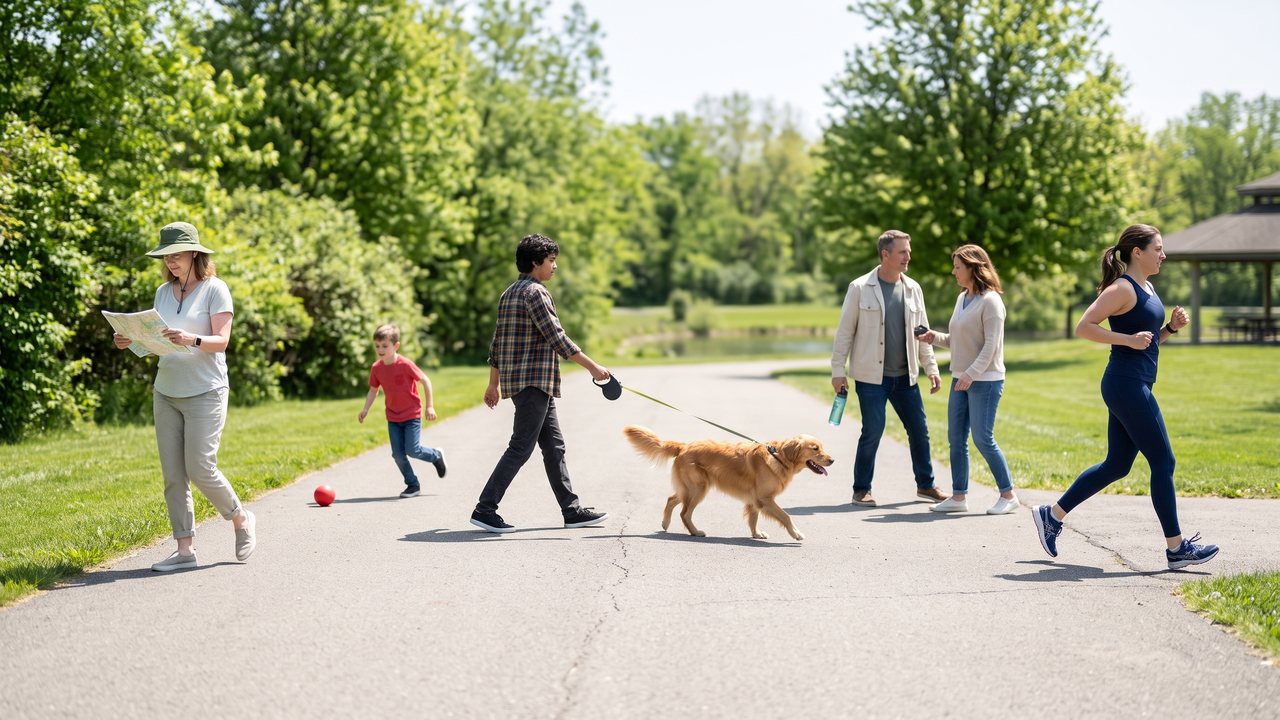
Tap the one that is right.
One answer. Nobody walks in a straight line.
Nobody walks a straight line. The gap covers the drift.
People drift. That space is the drift you already allowed for.
8Where do you go when you stop?
Remember:“Stop means off the path.”
Tap the one that is right.
One answer. Off means off, not the edge of it.
A stopped rider on a path is a parked car in a traffic lane.
Get right off the path. Every path authority writes this one down.
9What changes when you ride in a group?
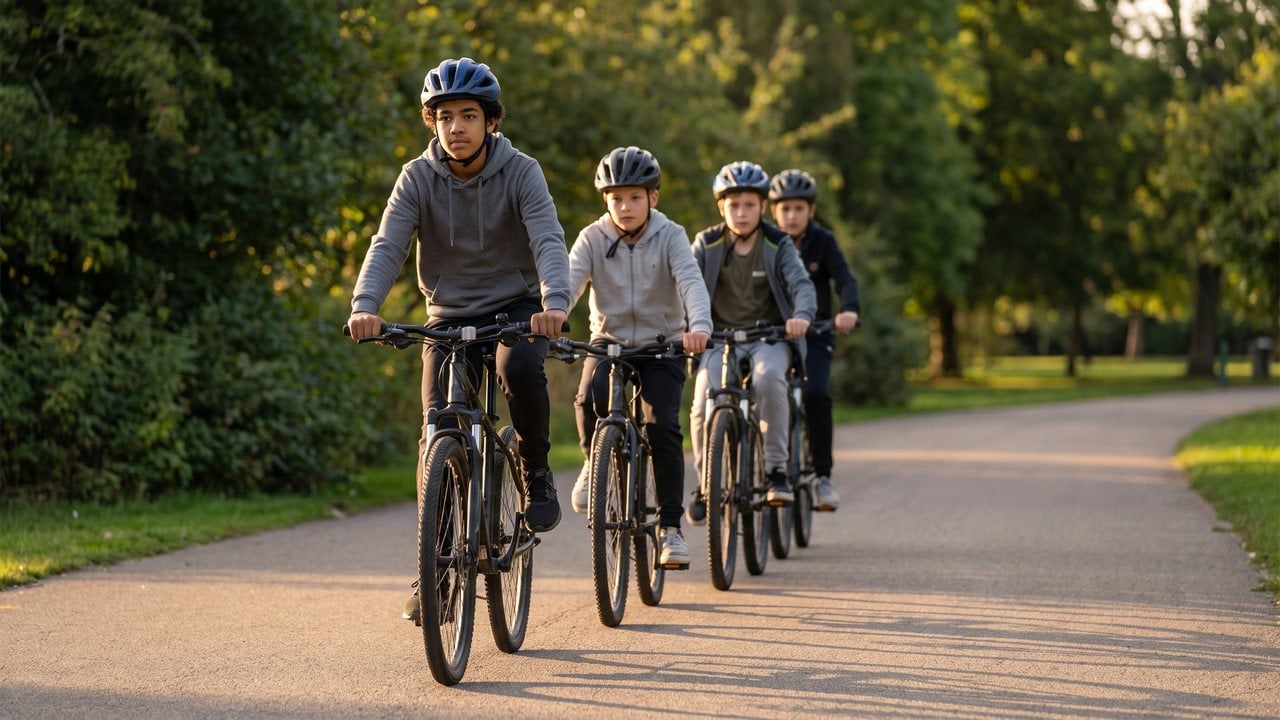
Tap every one that is right.
Find all 3. A group is one long vehicle, not several short ones.
A group is one long vehicle. Right half, single file when busy.
You are one long vehicle. Keep right and go single file when busy.
10Who is hurt worse in a path crash?
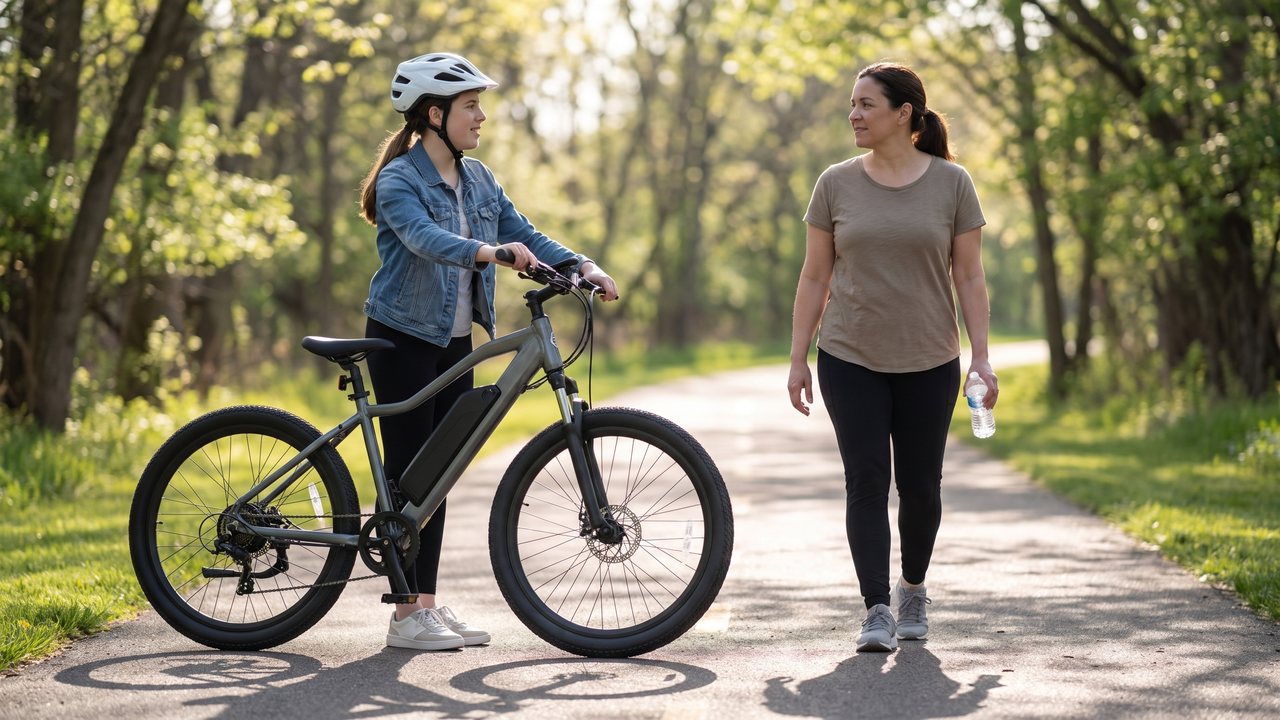
Remember:“On a path, you are the car.”
Tap the one that is right.
One answer. Compare the weight of a bike with the weight of a person.
They have no helmet, no warning and no brakes. You have all three.
The person walking. You are the heaviest, fastest thing there.