
Quiz: Looking Behind
Road Badge › Look Behind, Ride Straight › Quiz: Looking Behind
Road Badge› Look Behind, Ride Straight
Quiz: Looking Behind
Ten questions on looking back and signaling.
1Why does looking back pull you off line?
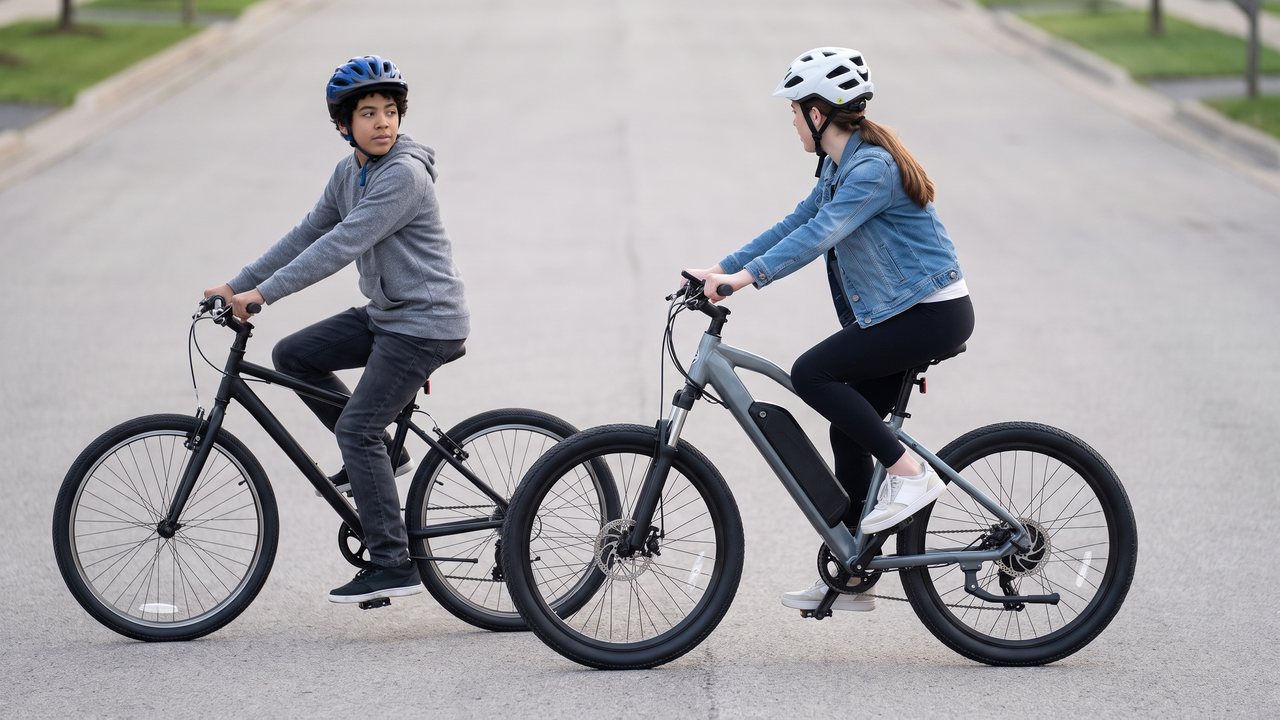
Remember:“The bike goes where your shoulders point.”
Tap the one that is right.
One answer. The bike goes where your shoulders point it.
Turn your head and your shoulders turn too. The bike follows.
The bike follows your shoulders, not your eyes.
2Which of these hold the line in a look?
Tap every one that is right.
Find all 3. Two are about locking something, one is about staying loose.
Lock the arm, chin to the shoulder. The line stays put.
Lock the elbow on the side you look, and tuck your chin to it.
3When does a look behind really count?
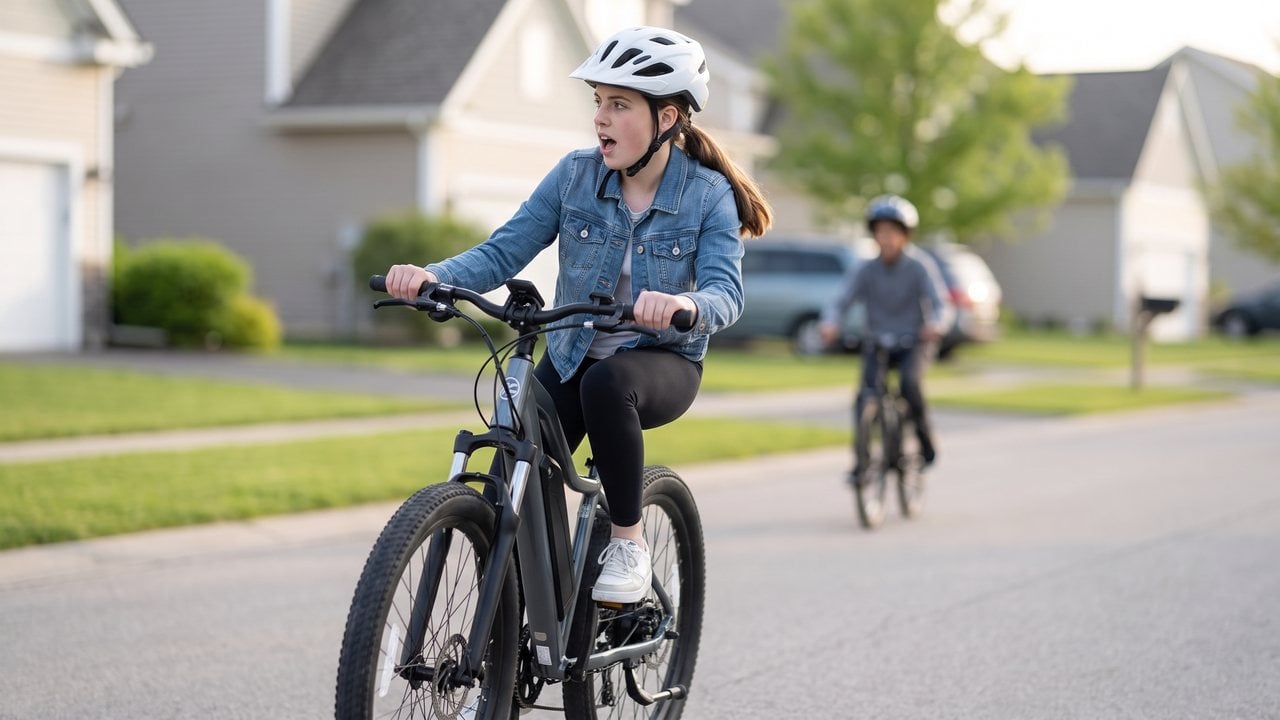
Remember:“If you cannot say it, you did not see it.”
Tap the one that is right.
One answer. The test is what you can say afterwards.
If you cannot say what was behind you, you did not see it.
A look counts when you can name what was there. Not before.
4Which of these count as a real look?
Tap every one that is right.
Find both. Both of them end with you knowing something.
Naming what is back there turns a look into information.
A real look ends with you able to name what was behind you.
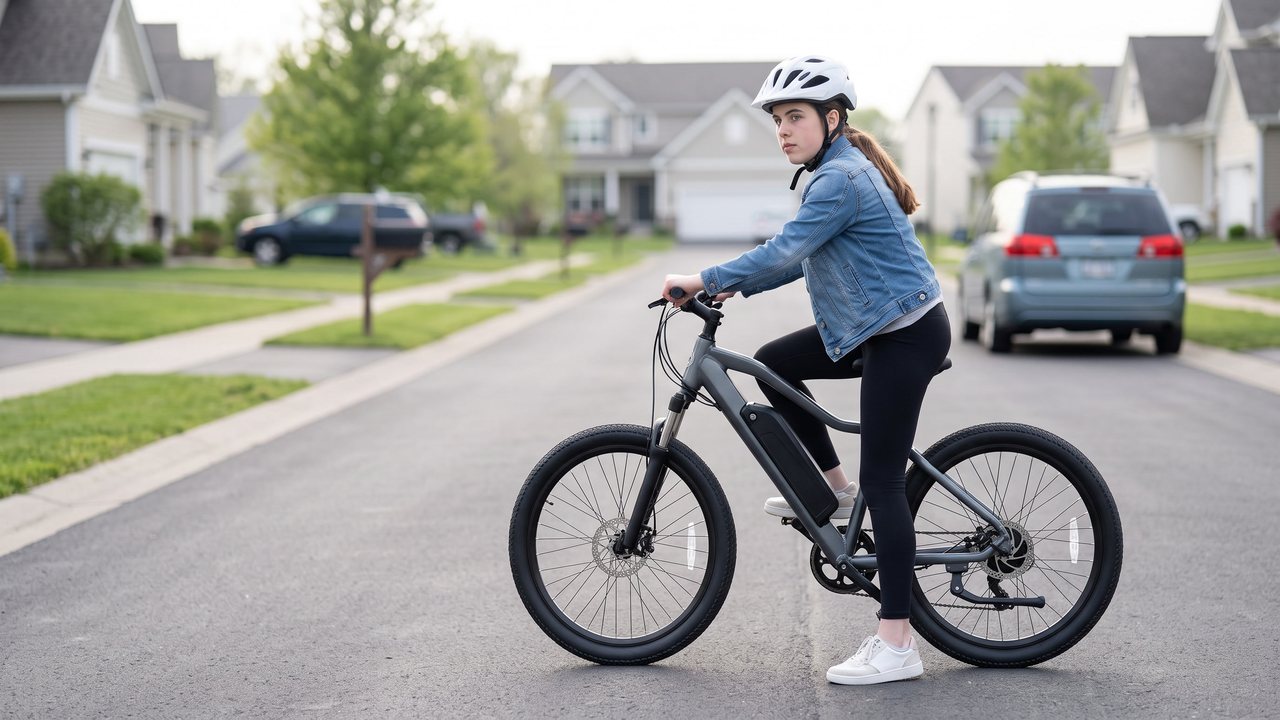
5What does taking a hand off cost you?
Tap the one that is right.
One answer. Two hands are what keep it steady.
A signal is a trade. One hand of control for one message.
It costs steadiness. That is why you learn the line first.
6When is a signal a bad trade?
Tap the one that is right.
One answer. A signal needs a hand, and rough road needs both.
Signal while the road is good. Hand back before it gets rough.
On a rough patch both hands stay on. Signal before you get there.
7Which look is the smallest one?
Tap the one that is right.
One answer. Smallest means least taken away from the front.
A glance is half a second, both hands on. Take the smallest one.
The glance is smallest. Half a second, both hands on the bars.
8What does every look behind cost you?
Tap the one that is right.
One answer. While you look behind, nobody is watching ahead.
You keep rolling the whole time. A long stare is a long way blind.
It costs road ahead. You keep moving while you are not watching.
9Which of these belong in a turn?
Tap every one that is right.
Four of these are in the routine.
Look, signal, see them respond, then move. Four steps.
Look, signal, see them respond, then move. The third gets skipped.
10What counts as somebody responding?
Remember:“A signal is not permission.”
Tap every one that is right.
Find all 3. Every one is something the other person did.
You are waiting for a change, not for a wave.
A signal is not permission. Wait for something to change.