
Four surfaces, four answers
Road Badge › Where You Are Allowed › Four surfaces, four answers
Road Badge› Where You Are Allowed
Four surfaces, four answers
Which surface, which bike, which town, how old.
1One corner, four surfaces
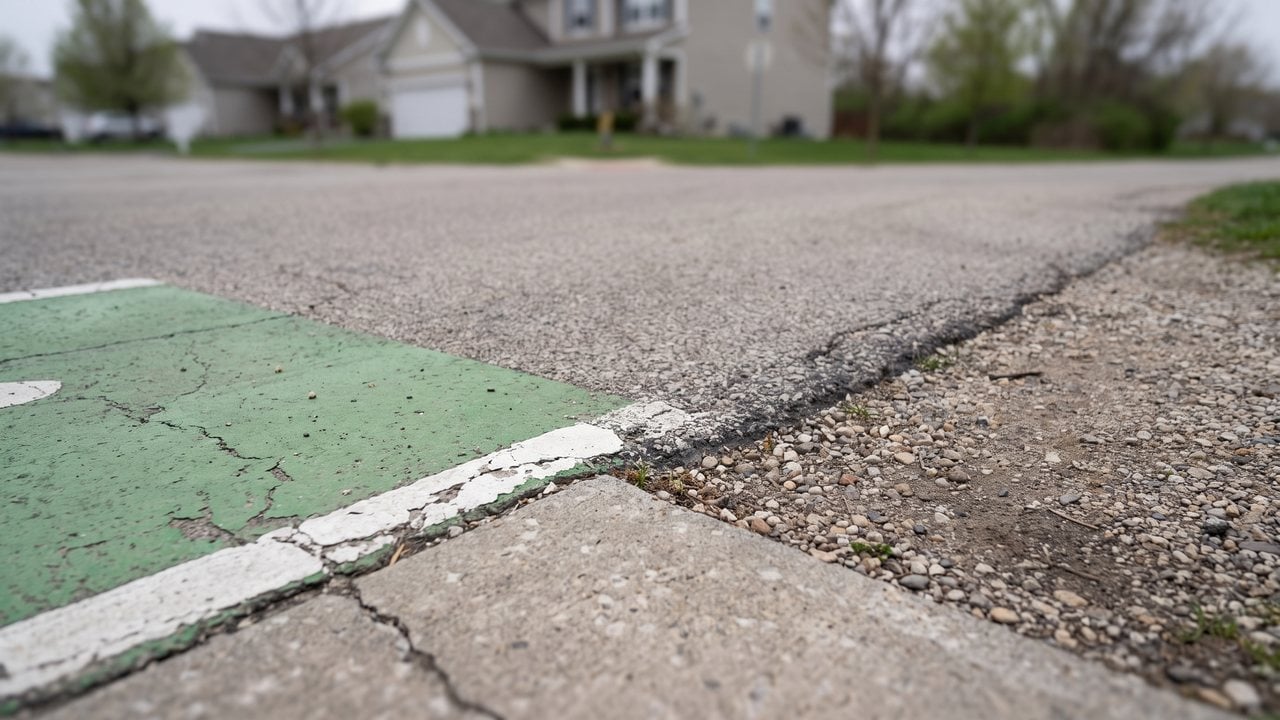
The roadway, the bike lane, the sidewalk, and the path.
Four surfaces within about thirty feet of each other, and in most places four different sets of people decide who is allowed on each one.
2Same question everywhere, different answer
Every time, it is these four parts together: this machine, on this surface, at my age, in this town. Change any one of the four and the answer can change. That is not a flaw in how you were taught; it is genuinely how the law is arranged across sixty-four states, provinces and territories.
And they are decided by different people. The roadway and the bike lane are usually the state or the province. The sidewalk is very often the town. A path or trail belongs to whoever owns it — a park district, a county, a conservation authority — and their rule is theirs to make.
3Your four answers, and the shape of the spread
Not one of those four surfaces has the same answer everywhere. Sidewalks are usually decided by the town. Paths belong to whoever owns each path. The age rule sits with the state or province. The class system is whichever version of it got written there. Which is why the surface in front of you is the thing to read, and not a rule you memorised somewhere else.
Look at how wide the spread behind those slots is. Sidewalk rules run from expressly allowed, through allowed under a speed, through barred outright, to a statute that says nothing at all and hands it to the town — and that last one is an answer, not a gap. A rider who is entirely legal in one state is committing an offense in another on the same machine on the same kind of sidewalk.
4Fill in your grid
A four-by-four grid: roadway, bike lane, sidewalk, path down one side; allowed, not allowed, depends on age, could not find out along the other. Fill it in for your own machine and your own address. The card marks which boxes it can fill from the data for your jurisdiction, which it cannot, and who you would have to ask for each empty one.
The boxes it cannot fill are the useful part of this game. Those are the ones you go and find, and the last lesson of this section is how.
5One state, re-sorting the whole thing
From the first of January 2027, one state does something worth seeing even if you do not live there. It does not simply say get off the sidewalk. It sorts every device into a category, and the category decides the surface. Low-speed e-bikes on roads, streets and bike lanes. Micromobility devices off sidewalks and off roads posted above thirty-five without a bike lane. And one new category, called a toy vehicle, which may only be operated on sidewalks and bicycle paths, whose riders get the rights and duties of a pedestrian.
That is not your rule unless you live there. It is a demonstration that a whole jurisdiction can re-sort every answer in one Act, on one date, and that the thing to know is not a list of places but the architecture: what is my device called here, and what does that name allow.
6A friend says the sidewalk is fine.
Pick one.
Right, and the cousin is not wrong either. Both things can be true at once, because the sidewalk answer is one of the most local answers there is. The only useful question is what the rule is where you are riding, at your age, on that machine.
Watch what each of those actually gives you. Somebody else riding somewhere proves that they ride there, not that you may. And an officer is a fine thing to ask but they are not always to hand and their answer is about their own patch, which may not be the town you are heading into.
7The sign at the top of the path
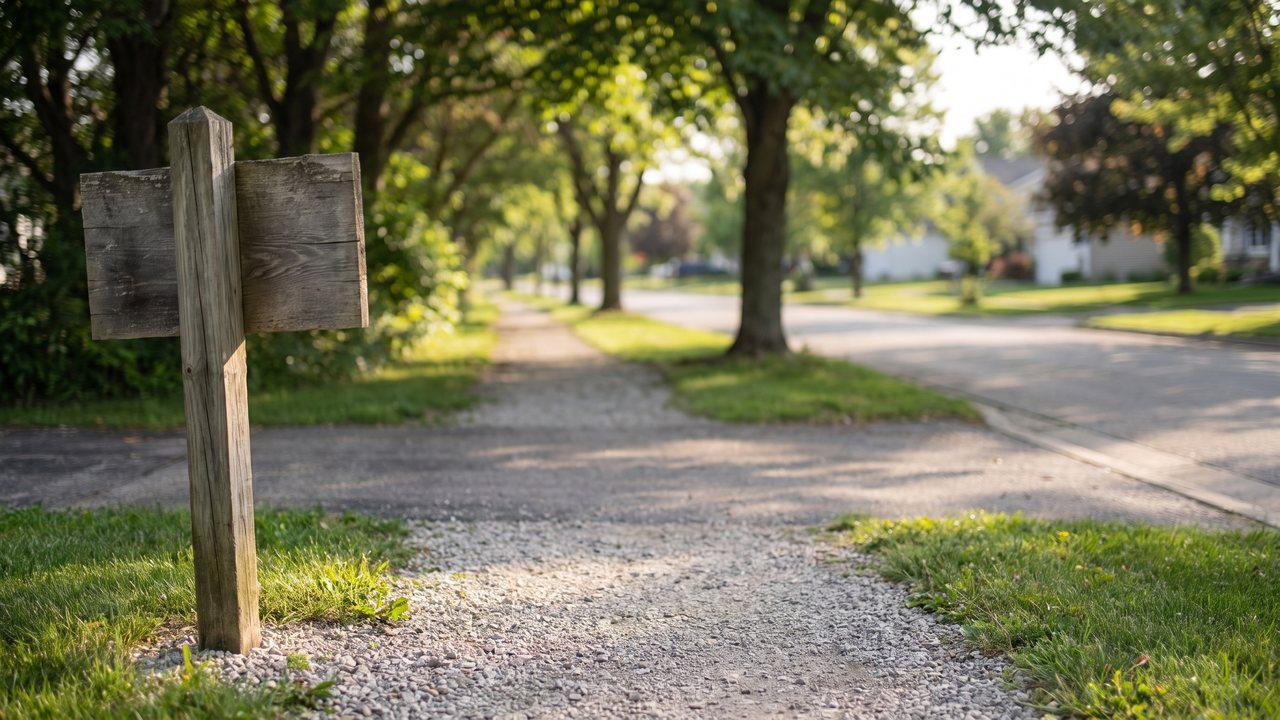
That second sign is the one worth reading. It names who owns the path, and the owner is the person whose rule you are standing under — not the town, not the state.
8Which of these decide if you may ride?
Pick every one that is right, then press Check.
Find all 4.
Four surfaces, four different answers, and they change at the town line.
Two of those assume one rule covers everywhere. A cousin's answer is a cousin's town.
9The four parts, in order
Say it out loud, in your normal voice
Which surface, which machine, which town, how old.
Four things, and you will use them for the rest of your riding life, including on vacation and including when the law changes underneath you. It is the question, not the answer, and the question is the part that keeps working.
10Before you leave this page
Walk your route. List the rules you lack.
Take the route you actually ride most and walk through it out loud with somebody: which surfaces you use on it, which towns or districts it crosses, and for each surface whether you know the rule or do not. Write down the ones you could not answer. That list is what the last lesson of this section is for.