
The sign, and right now
Road Badge › Paths and People › The sign, and right now
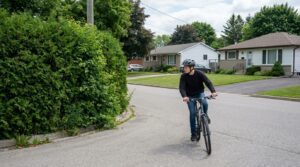
The sign, and right now
The sign is a ceiling, not a target.
1The bend with the hedge on it
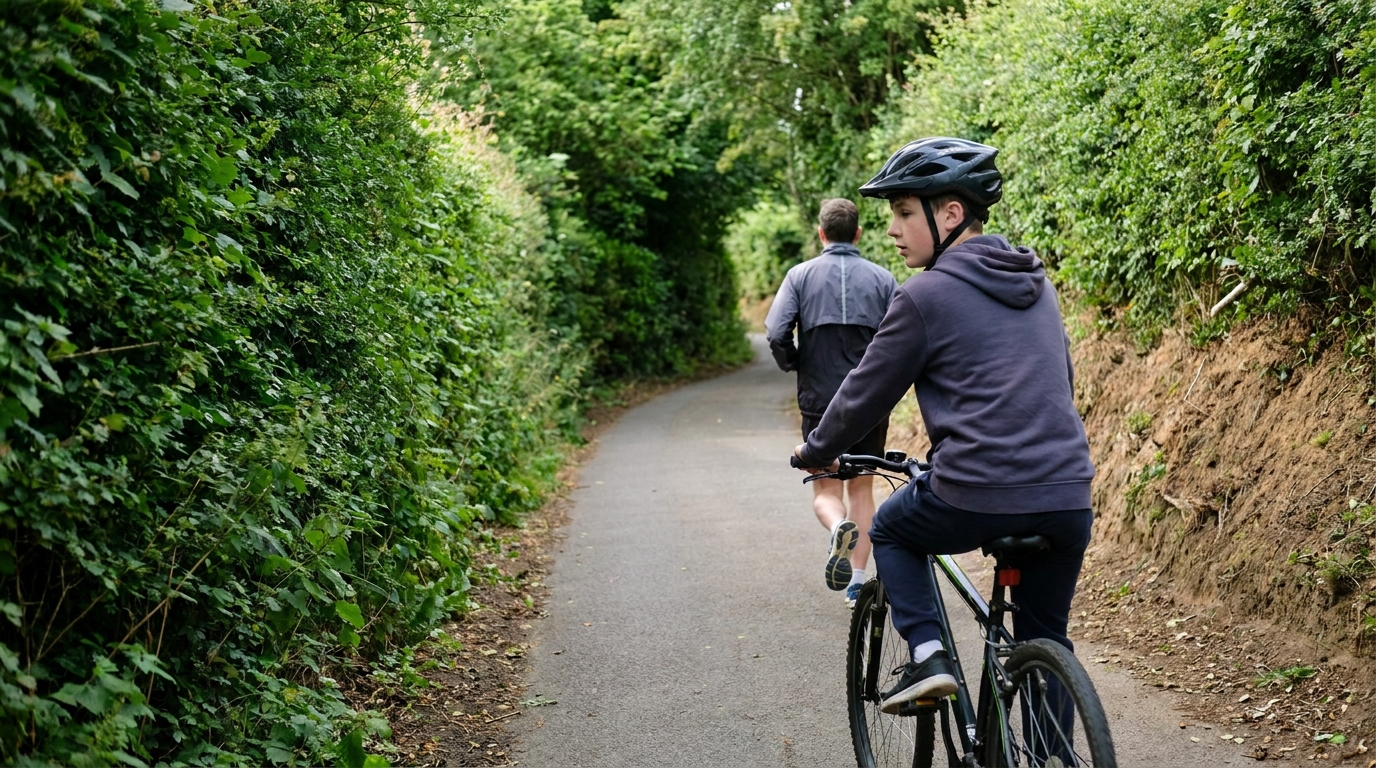
Dry and empty in the morning. Wet with low sun down it. Busy on a Saturday. Half covered in wet leaves.
You come up behind a jogger on a narrow path. Ahead is a blind left-hand bend with a tall hedge on the inside. You move out to pass.
Now you and the jogger fill the whole path, and whatever is round that hedge is about to meet both of you. Neither of you chose that. One of you arranged it.
2What a posted path speed actually is
Many shared paths post fifteen miles per hour. Guidance written for towns suggests fifteen on busy paths and twenty on quieter ones. Whether a number is posted where you ride, and what it is, comes off the sign at the top of that particular path.
But here is the sentence that matters more than the number, and it comes from the same source as the number: regardless of the speed limit, adjust your speed based on conditions. A limit is the fastest you may ever go on that path. It is not a description of what today is like.
3Same path, four days
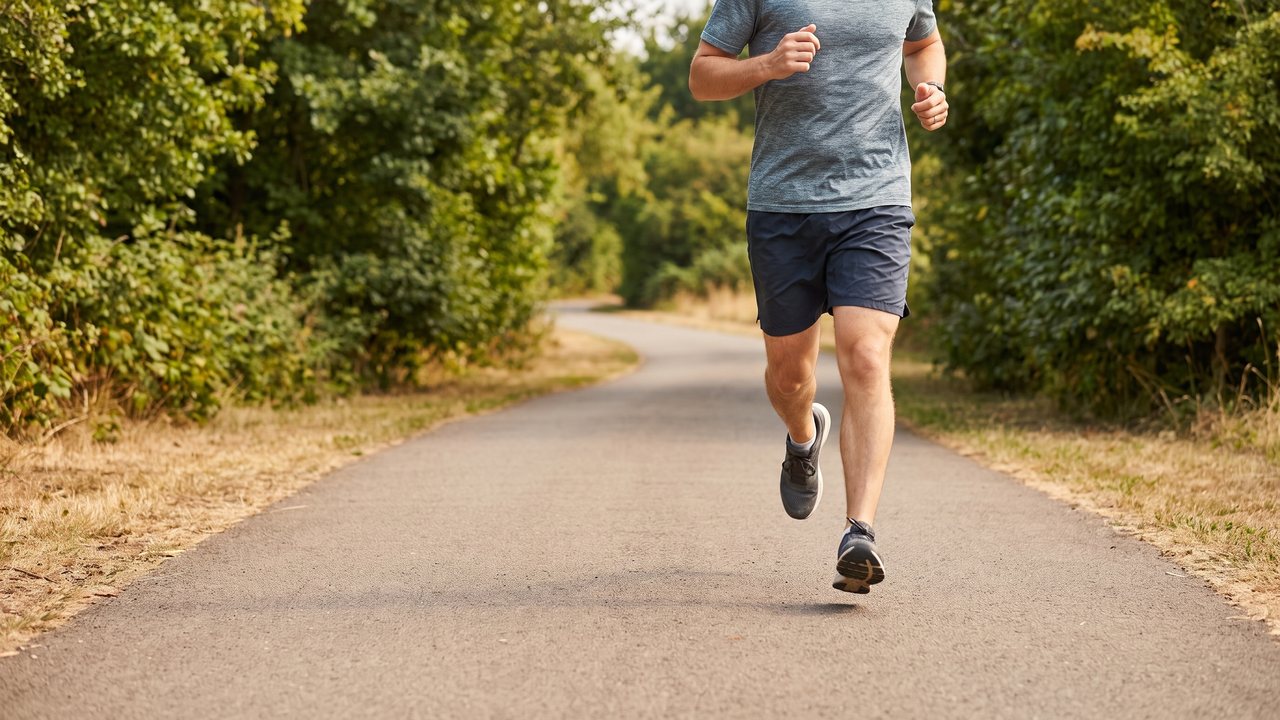
One posted number covers all four of those. Only one of the four is the day the number was written for, and it is not usually the day you are on.
4Your bike is good at the thing the sign fears
On a pedal bike, going quickly on a path takes effort and you can feel yourself doing it. On this machine it takes nothing. Assist holds a speed for you on the flat, uphill and into a headwind, and it does it without the noise, the breathing and the effort that used to tell you how fast you were.
And the ceiling is high. In the US, anything still legally a bicycle can assist up to twenty-eight miles per hour — getting on for double what a busy path posts. Nothing on your machine stops you at the path limit. The only thing between the two numbers is you deciding.
5And the rule about corners, which is a refusal
The path rule about blind corners is written as a prohibition rather than as advice: do not pass others unless you have a clear view of oncoming path users to judge when it is safe to pass. No clear view, no pass. It is not a judgment call about how likely something is.
You already have this idea from the road, where you learned to hold the lane through the bit nobody can see past and release afterwards. This is the same rule with the vehicles swapped. The bend, the hedge, the underpass, the bridge, the tunnel of trees: those are the places you sit in behind somebody and wait, and the wait is about eight seconds.
6Stuck behind two walkers, and a blind bend.
Pick one.
Yes, and it costs you almost nothing. A hundred yards at walking pace is under a minute, and the pass on the straight afterwards is one you can see the whole of. The rule is not do not pass, it is do not pass blind, and the difference is about eight seconds of patience.
Both of those solve the wrong problem. Rushing the gap before the bend puts you alongside exactly where somebody could appear, and that is the one place on the path where you cannot go anywhere. And passing on the right breaks the one thing every other user is relying on you to do, which is come past on the side they expect.
7The question you ask at every bend
Say it out loud on the approach
Can I see the far side? Then no.
Ask it out loud on your next ride, at every bend, bridge and underpass. Two seconds each. It turns the corner rule from a thing you agree with into a thing you actually run, which are very different.
8Which of these mean today is slower than the sign?
Pick every one that is right, then press Check.
Find all 4.
Four. The sign is the ceiling; today sets the speed.
Two of those are not about today. The posted number and your schedule do not change the path.
9What the hedge is hiding
A path bend with a hedge on the inside, seen from the rider's eye. A slider sets how far round you can see. Move it and the game shows what appears and when, at the speed you set: a dog on a long lead, a group walking abreast, a rider coming the other way, or nothing at all. Try to pass at each setting and see which attempts finish safely.
Set the sight line short and try to find a passing speed that works. There is not one, which is the whole point of writing the rule as a refusal instead of as advice.
10Before you leave this page
At three blind spots, say how far you can see.
Walk the path you use most, with an adult, as far as the first three bends, bridges or underpasses. At each one, stand where you would be riding and say out loud how many feet ahead you can actually see. Then say what speed would let you stop inside that distance. Whoever is with you writes the three numbers down.