
Quiz: In the Empty Lot
Road Badge › In the Empty Lot › Quiz: In the Empty Lot
Quiz: In the Empty Lot
Ten questions on the drills you practiced.
1Why does this part happen in an empty lot?
Tap the one that is right.
One answer. Ask who else does it in this order, and why.
Classroom, then a safe space, then real roads. Always that order.
Every program uses one order: classroom, safe space, then roads.
2Which of these spoil a practice space?
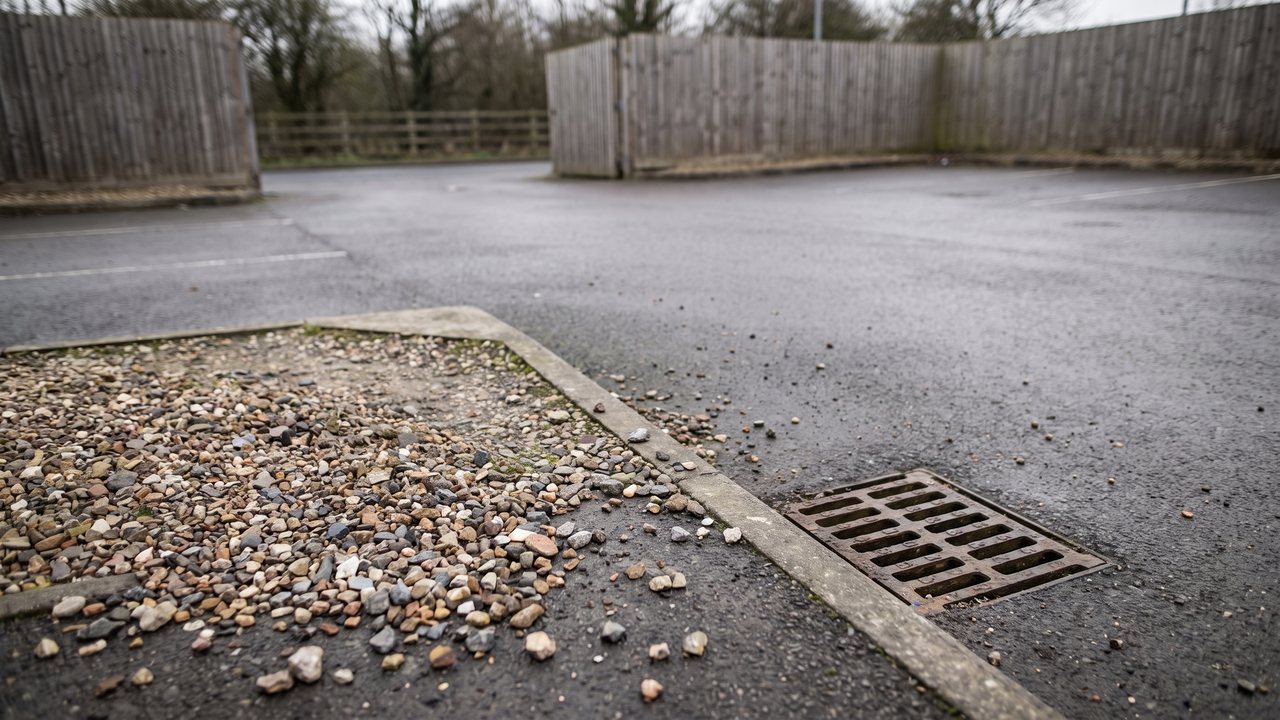
Tap every one that is right.
All four spoil it. Tick every one.
All four. Walk the space once before you ride it.
All four spoil it. Walk it once and you will find them.
3Where should the pedal be to start?
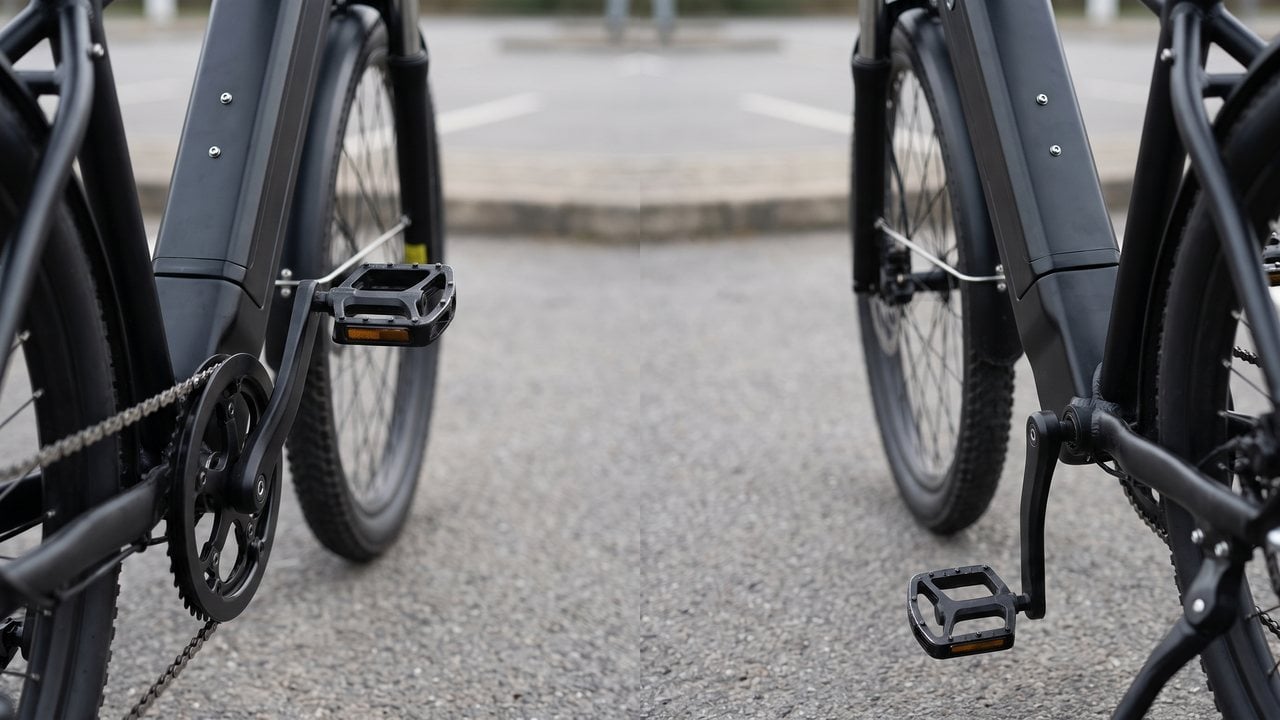
Remember:“A pedal at six is a footrest, not a start.”
Tap the one that is right.
One answer. The pedal has to be somewhere you can push down on it.
Two o'clock. The whole downstroke is still ahead of it.
Up at two o'clock. A pedal at six is only a footrest.
4Which of these belong in a start?
Tap every one that is right.
Four of these are in the start.
Brakes, straddle, pedal to two, look. Then stand on it.
Brakes on, straddle it, pedal up to two, look ahead and behind.
5Where should your eyes be on a line?
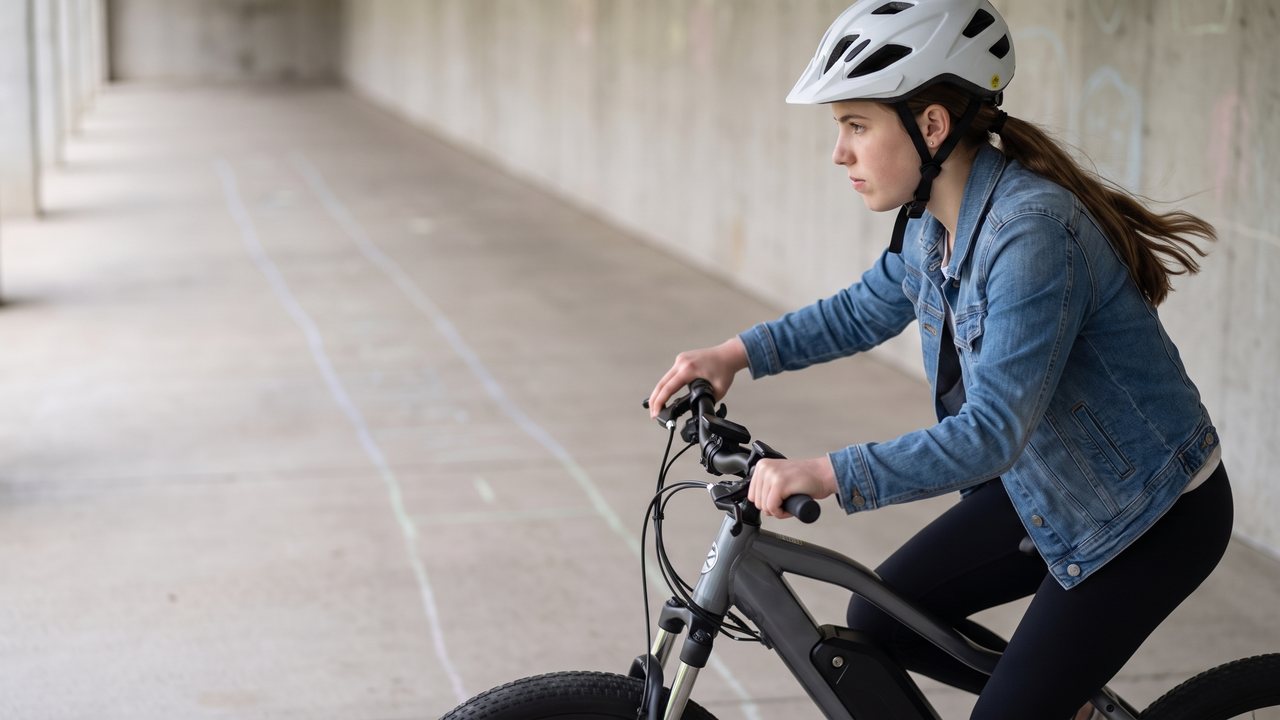
Remember:“You go where you look.”
Tap the one that is right.
One answer. You go where you are looking.
You go where you look. Look at the far end.
Look at the far end. Watching the wheel is what makes you wander.
6Which of these help you hold a line?
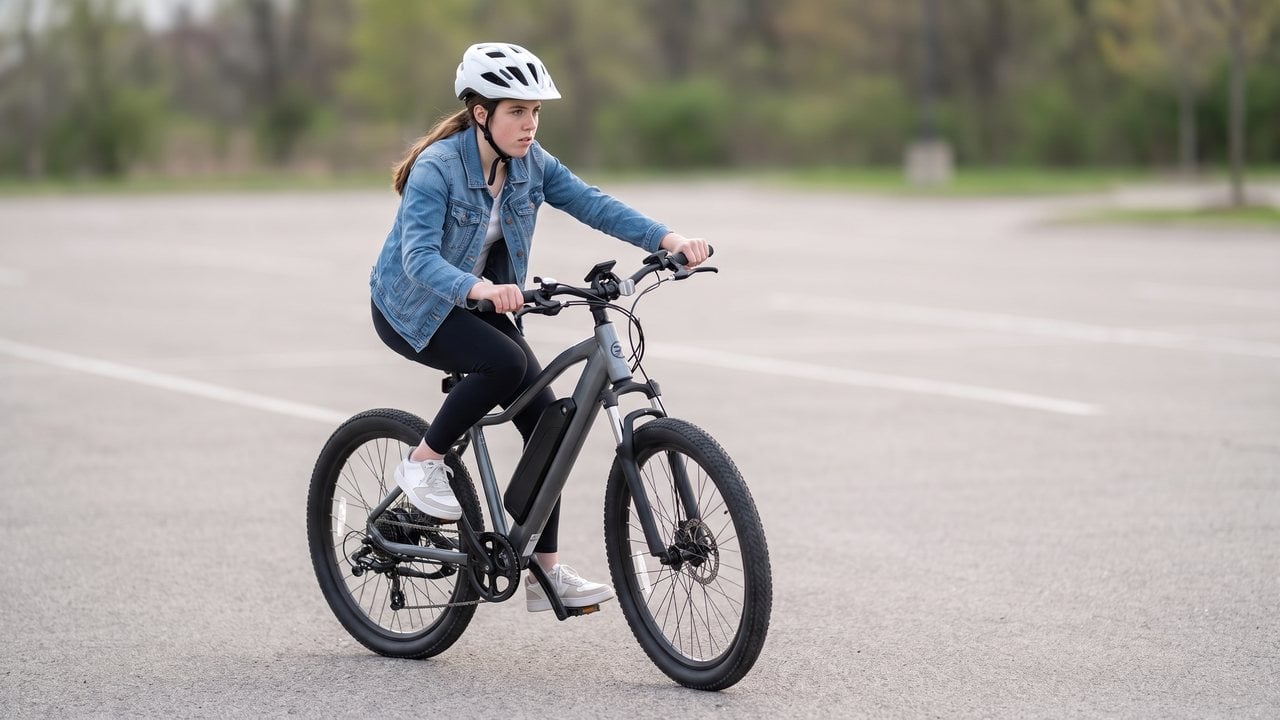
Tap every one that is right.
Find all 3. One is where you look, two are what your hands and feet do.
Eyes far ahead, fingers ready, keep pedaling.
Eyes at the far end, fingers on the levers, keep some drive on.
7Which brake do you use for slow turns?
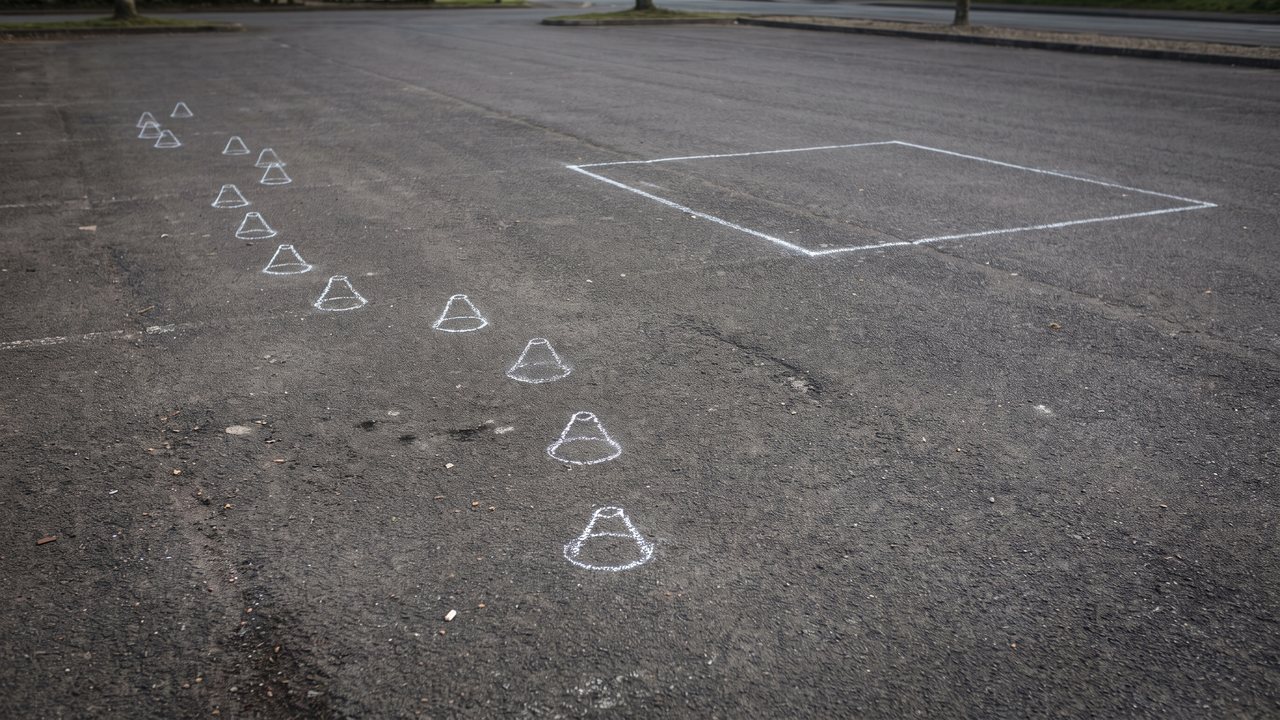
Tap the one that is right.
One answer. The front brake is the one that tucks the wheel under you.
Slow, tight and turning is the one place you use the rear.
The rear brake. It is the only time you do not use both.
8Where do you look in a weave?
Tap the one that is right.
One answer. Look where you are going, not where you are.
Look through to the next one. Your head leads the wheel.
Look through to the next marker, not at the one you are passing.
9Which of these belong to a good stop?
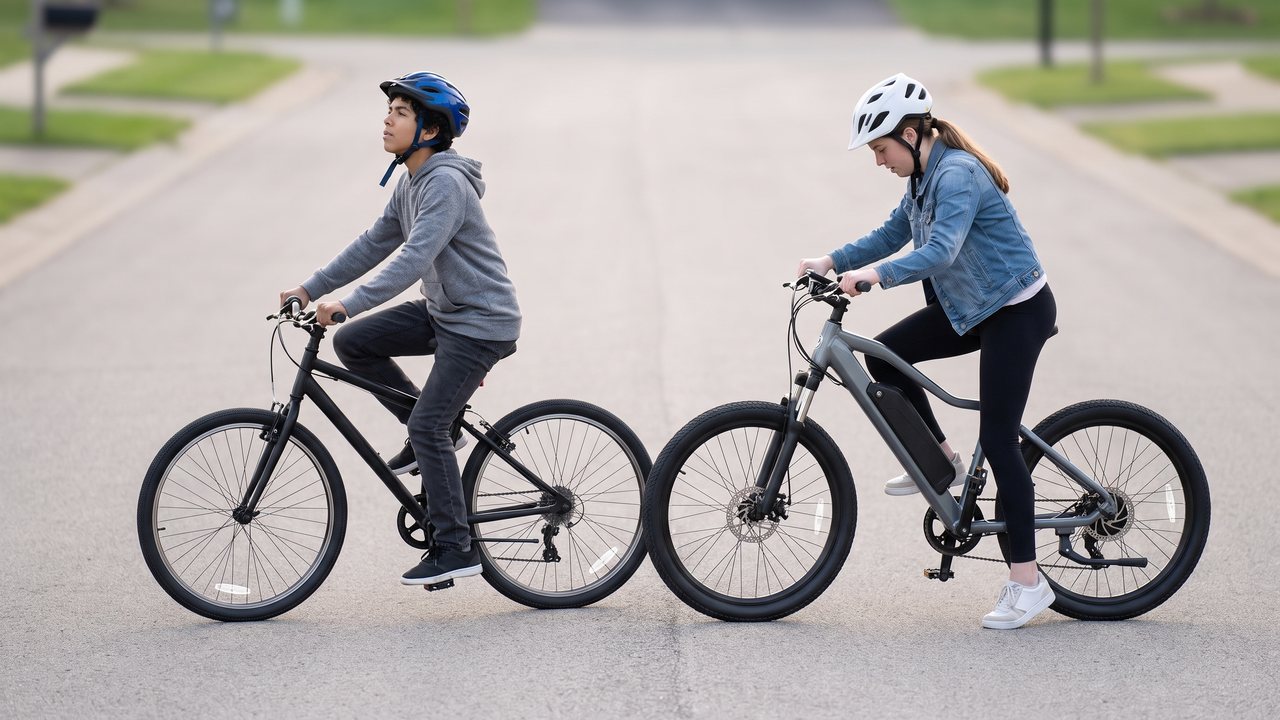
Tap every one that is right.
Find all 3. One is the brakes, one is the feet, one is what you do after.
Squeeze it down, one foot down, reset the pedal to two.
Squeeze it down, one foot down, then put a pedal back to two.
10What is the rule about braking in a corner?
Remember:“Straighten first. Then brake.”
Tap the one that is right.
One answer. Grip has one job at a time.
Straighten, then brake. Never brake in the middle of a lean.
Straighten up first, then brake. Braking in a lean slides the back.