
Why fourteen is harder than 40
Road Badge › Fit to Ride › Why fourteen is harder than 40
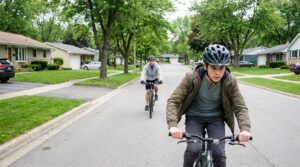
Why fourteen is harder than 40
Decide early, while it is still cheap.
1Two systems, one of them early
The part that wants it, which arrives early. The part that runs the argument, which arrives later.
That shaded gap is a normal, documented, everybody-gets-one feature of being your age. This lesson is about riding with it rather than pretending it is not there.
2This is a fact about brains, not a verdict on you
Researchers who study young riders put it in one flat sentence: in adolescence, reward and emotional systems develop earlier than executive function centers, and that gap peaks during the teenage years. Reward is the part that wants it. Executive function is the part that runs the argument about whether to.
Nobody is calling you reckless. This is the same finding for every human being who has ever been fourteen, including every adult reading over your shoulder. It is a piece of equipment you ride with, and like every other piece of equipment on this course it works better once you know what it does.
3What the gap feels like from inside
It does not feel like a brain making an error. It feels like a good idea. The wanting turns up whole and instant, and the objection arrives a beat later, quieter, and usually in somebody else's voice, which is exactly the voice you are least likely to take orders from.
So the moment itself is a terrible place to decide anything. A rider at the top of a street with three friends at the bottom is not neutral. Adults are not neutral there either. The difference is that they have usually had the argument before, somewhere calmer.
4Riding courses teach this, they do not scold you
The adult motorcycle course teaches three things here and lists them as topics, next to braking and cornering: risk awareness, why crashes happen, and risk acceptance. Nobody in that room is in trouble. They are being taught a subject, and they get examined on it.
Risk acceptance is the useful one, because it says the quiet part out loud: you are accepting a risk whether or not you ever name it. A rider who has named it gets to choose it. A rider who has not just gets whatever the moment hands them.
5Your friends are filming on a bad stretch.
Pick one.
Yes, and that is the whole method. The decision belongs somewhere calm, before the wanting shows up, and then the moment is only a matter of doing what you already settled. Adult rider training calls that risk acceptance and teaches it as a skill, not a personality.
Deciding carefully in the moment sounds right, and it is the part that does not work. Reward and emotion are already running by then and the arguing half turns up late. That is timing, not weakness. Move the decision earlier, to somewhere nothing is happening, and the moment stops being a decision at all.
6The kitchen table

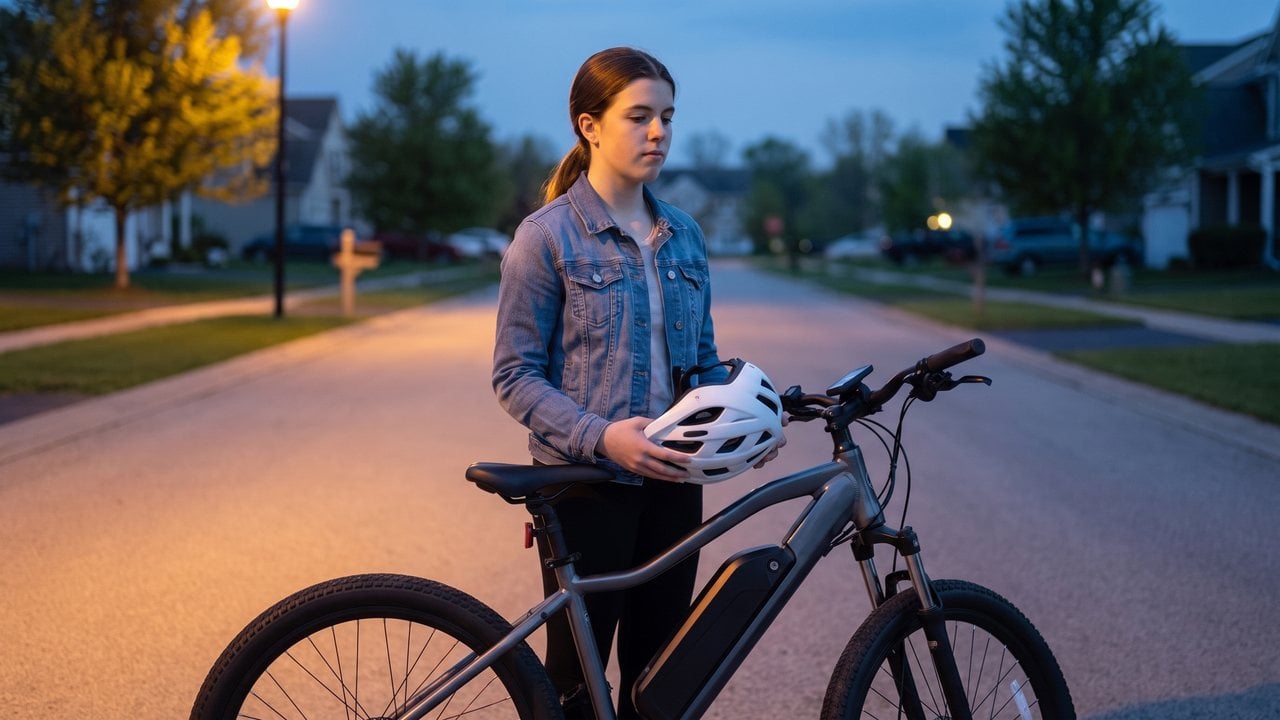
Three lines, written somewhere with nothing at stake. That piece of paper is doing more work than anything else in this section.
7Move the decision
A timeline runs from a quiet kitchen through getting ready, setting off, and arriving at the piece of road. Drag a decision marker along it. At each point the card shows you what that decision costs: nothing, then a bit of thinking, then an argument in front of people, then a decision made at speed.
Drag it all the way to the right first, so you can see what the expensive end actually looks like, then drag it back.
8Which are better settled before you go?
Pick every one that is right, then press Check.
Find all 4.
Settled at home, none of them cost you anything on the road.
Two of those are decided in the moment and cannot be settled in advance.
9The sentence that ends the negotiation
Say it out loud, in your normal voice
I decided this one at home. Not on this road.
It works because there is nothing in it to push against. It is not an opinion and it is not an argument, so there is no second sentence for anybody to say.
10Before you leave this page
Settle three decisions before you ride.
Write down the three decisions you are settling in advance for your next ride — helmet, phone, passengers, streets, whichever three are actually yours. Then say them out loud to one person who rides with you, so somebody else has heard them.